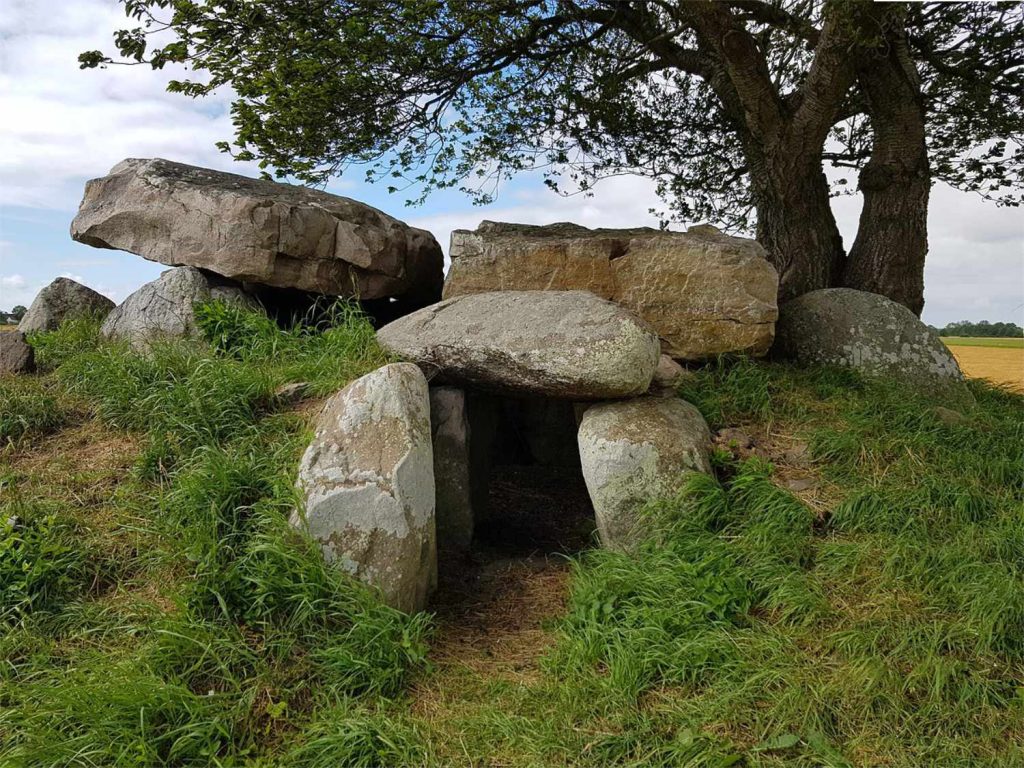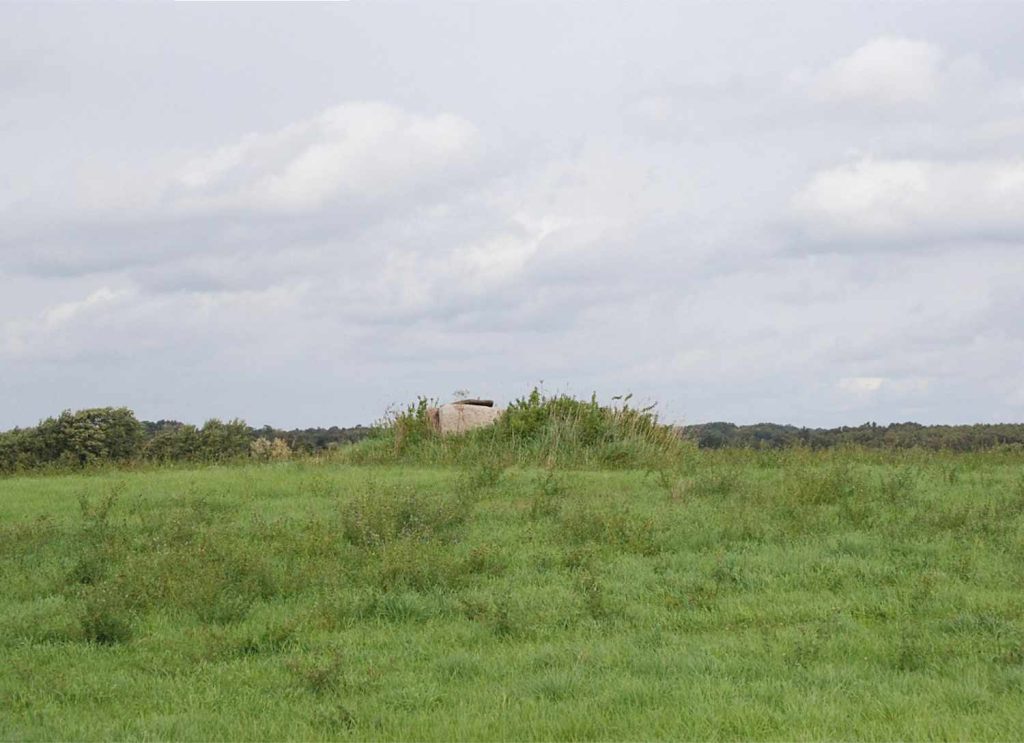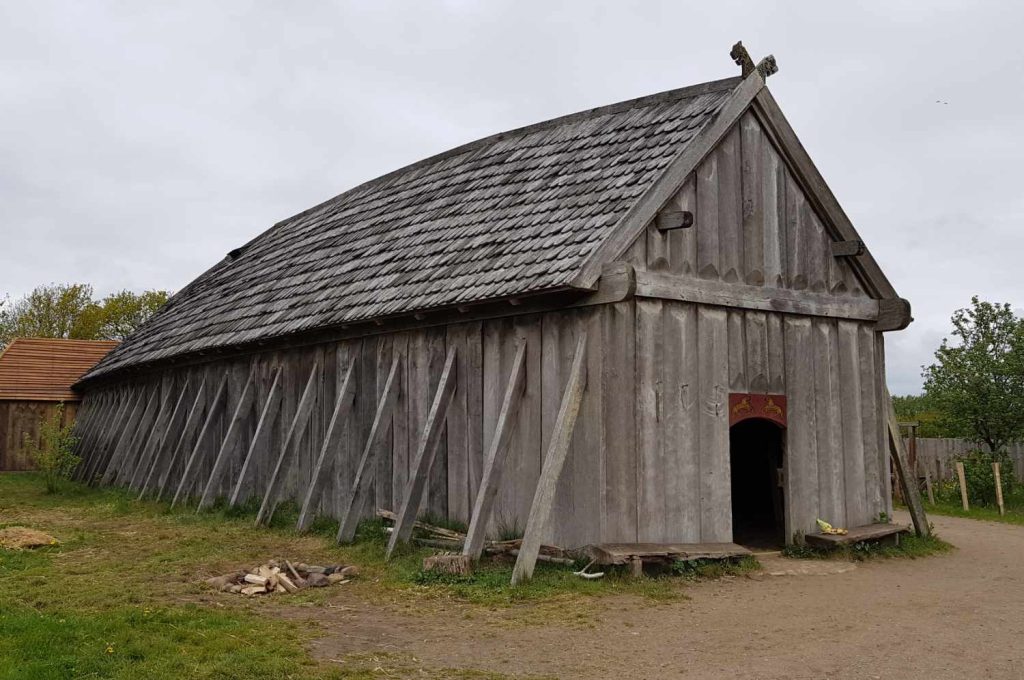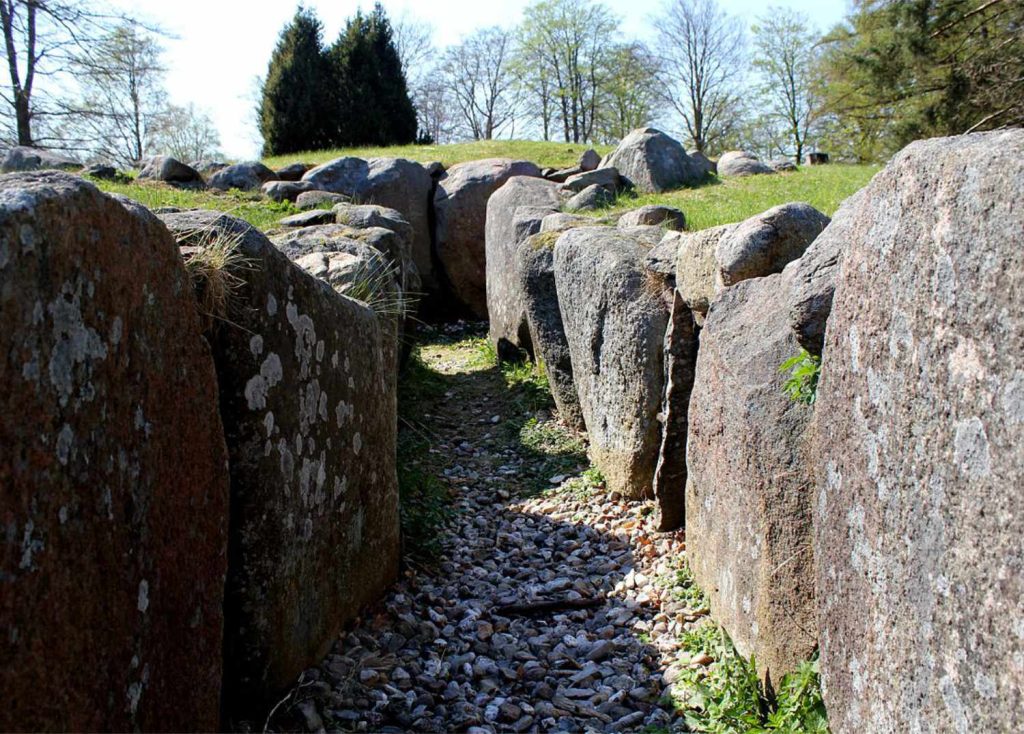
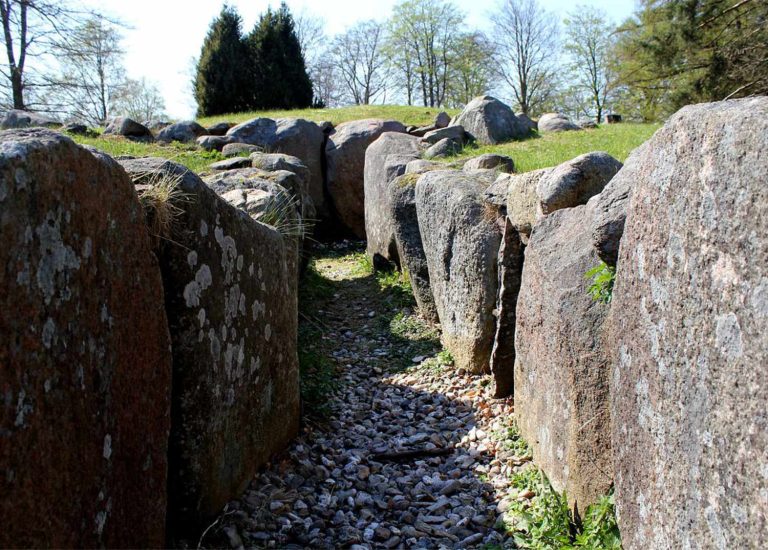
Mor Gribs Hule, situated in Denmark, is a fascinating archaeological site that invites visitors to explore the secrets of the past. Translated as “Mother Gribs Cave,” this location holds a unique place in Denmark’s historical landscape.
Nestled in the Danish countryside, Mor Gribs Hule is a cave with a rich history dating back to the Stone Age. The cave’s name is associated with local folklore, adding a touch of mystery and intrigue to the archaeological significance it carries. Archaeological excavations at Mor Gribs Hule have unearthed artifacts that provide valuable insights into the lives of prehistoric inhabitants. From tools to pottery fragments, these discoveries paint a picture of the daily activities and cultural practices of the people who once called this cave home.
What sets Mor Gribs Hule apart is not just its archaeological importance but also its scenic surroundings. Tucked away amid natural beauty, the cave offers visitors a chance to immerse themselves in Denmark’s picturesque countryside while connecting with the ancient history hidden within the cave’s rocky embrace. Exploring Mor Gribs Hule is like taking a step back in time.
The cave’s chambers and passageways reveal the craftsmanship and ingenuity of those who sought shelter here thousands of years ago. It’s a hands-on history lesson that sparks curiosity and imagination. For those with an interest in archaeology, Mor Gribs Hule provides a tangible link to Denmark’s ancient past. The artifacts and remnants found within the cave offer a glimpse into the resourcefulness and adaptability of early human communities.