


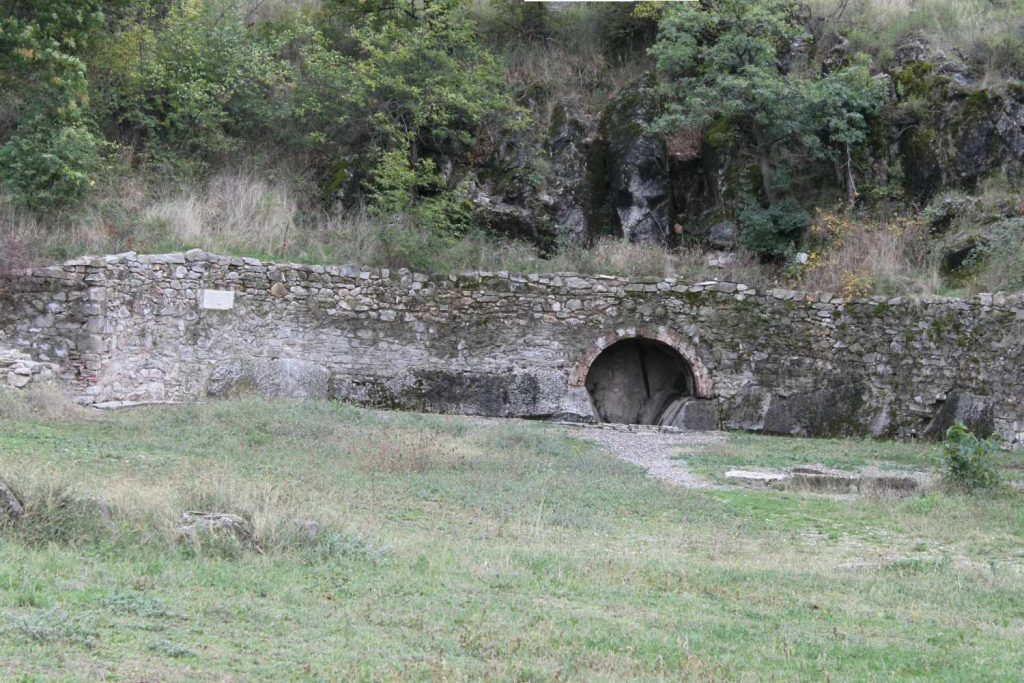
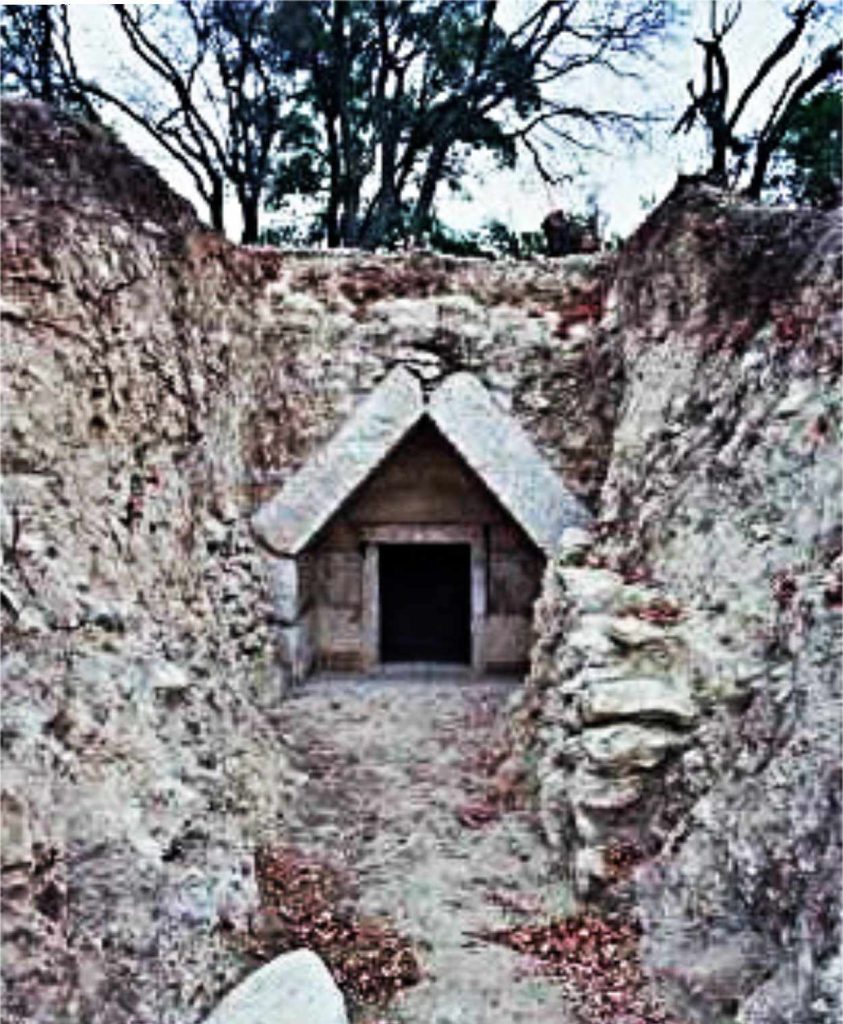
The burial mound known as “Helvecia” near Shipka, Bulgaria, dates back to the mid-4th century BC. The entrance corridor of the Thracian tomb is constructed with stone walls. Beyond this corridor lies an antechamber, leading to a rectangular chamber distinguished by its distinctive covered ceiling. The ceiling, curved by the walls of both rooms, is intersected by a horizontal zone, signifying the shift from the double-pitched to the semi-cylindrical design characteristic of Thracian architecture.
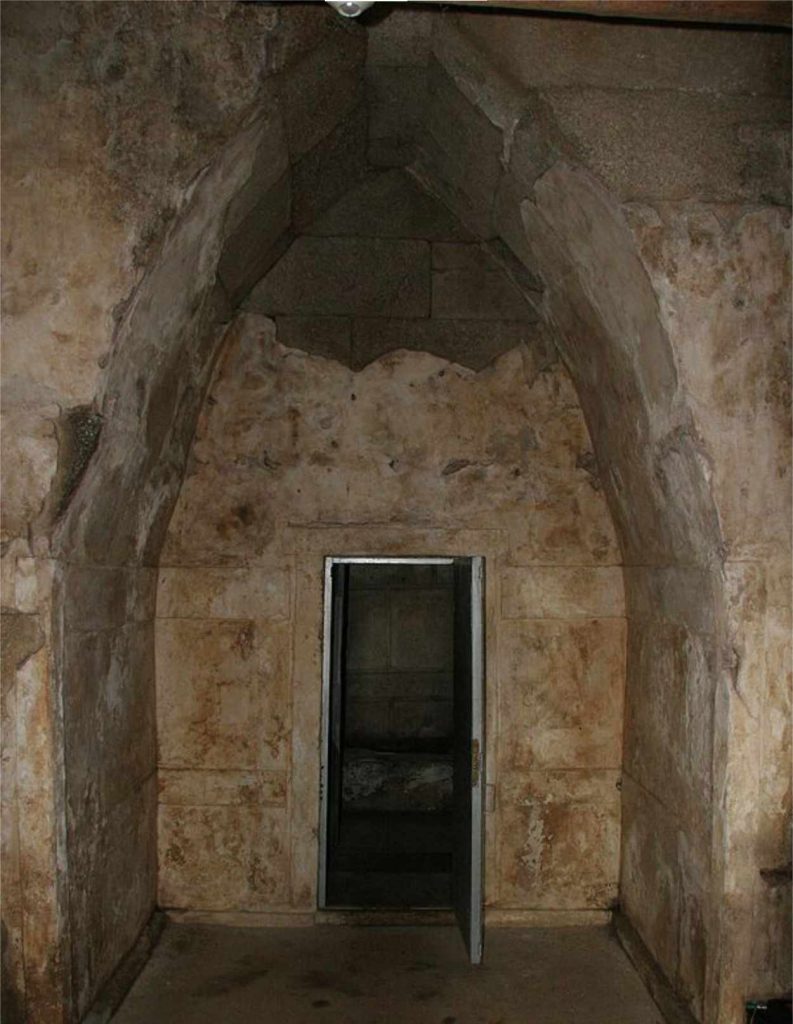
Thracian tomb Helvecia
The burial mound known as “Helvecia” near Shipka, Bulgaria, dates back to the mid-4th century BC.
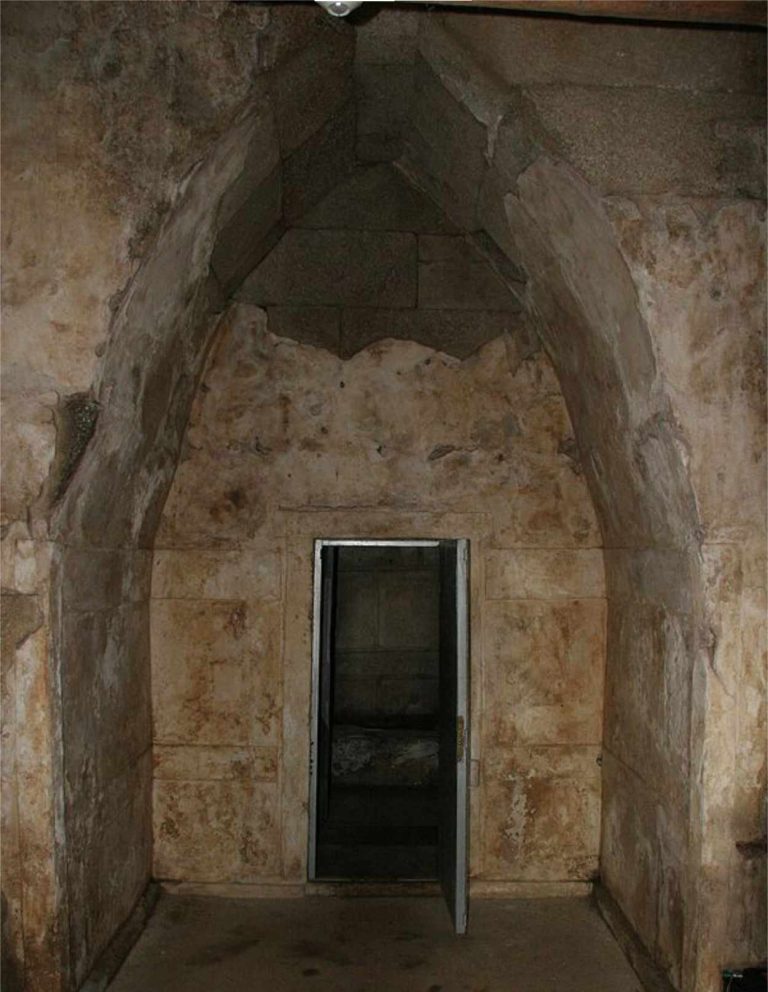
Thracian tomb Helvecia
The burial mound known as “Helvecia” near Shipka, Bulgaria, dates back to the mid-4th century BC.
Type of paganism
Type of place
Tags
References
image: https://commons.wikimedia.org/wiki/File:Helvecia_(2).JPG
Thracian Tomb of Kazanlak, ul. "General Radetski", 6102 Partyulbe, Kazanluk, Bulgaria
42.6256818, 25.3977389
Thracian Tomb of Kazanlak, ul. "General Radetski", 6102 Partyulbe, Kazanluk, Bulgaria
42.6256818, 25.3977389
The burial mound known as “Helvecia” near Shipka, Bulgaria, dates back to the mid-4th century BC. The entrance corridor of the Thracian tomb is constructed with stone walls. Beyond this corridor lies an antechamber, leading to a rectangular chamber distinguished by its distinctive covered ceiling. The ceiling, curved by the walls of both rooms, is intersected by a horizontal zone, signifying the shift from the double-pitched to the semi-cylindrical design characteristic of Thracian architecture.
Publishing
References
image: https://commons.wikimedia.org/wiki/File:Helvecia_(2).JPG
Other places in Bulgaria
Posted 6 months ago
Posted 3 years ago
Posted 3 years ago
Posted 3 years ago
Posted 3 years ago
Posted 3 years ago