wielkopolski piramidy

Greater Poland Pyramids

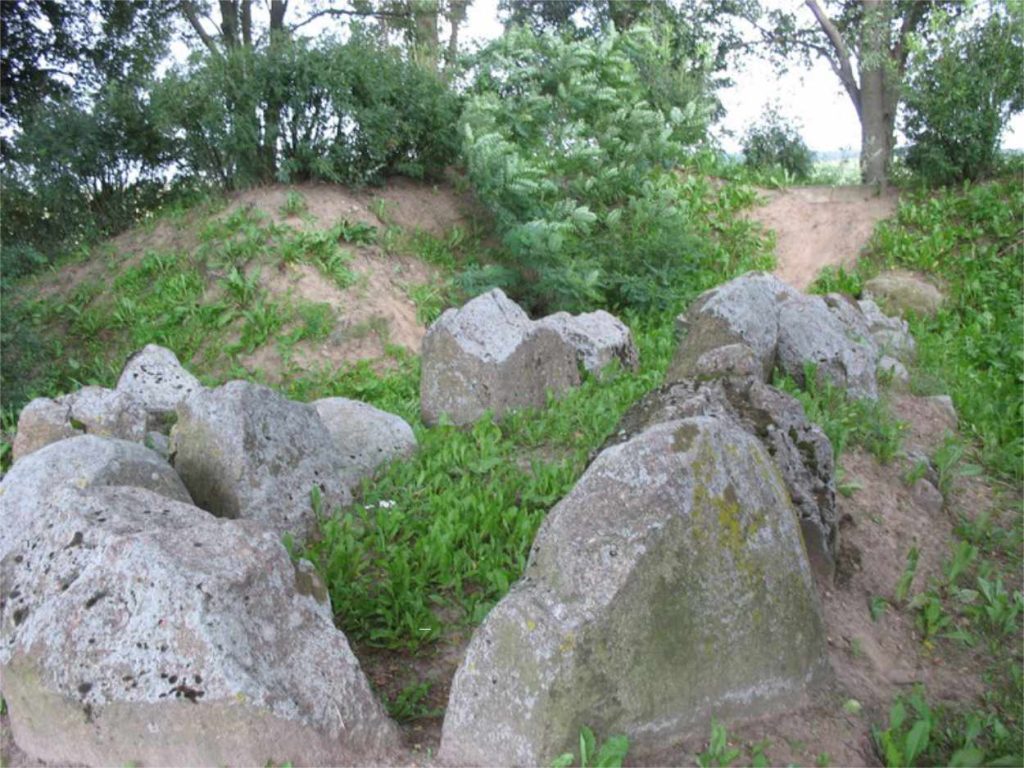
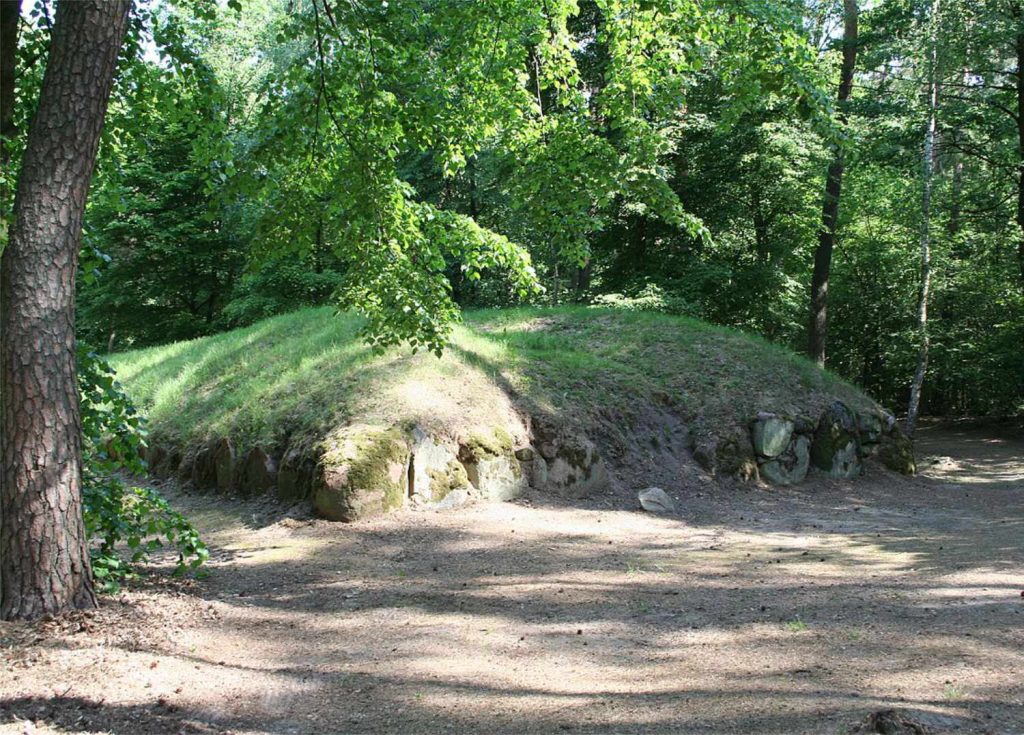
Hidden in the quiet countryside of western Poland lie the so-called “Greater Poland Pyramids.” They are a collection of four ancient burial mounds built by people of the Bronze Age.

wielkopolski piramidy

Greater Poland Pyramids

Hidden in the quiet countryside of western Poland lie the so-called “Greater Poland Pyramids.” They are a collection of four ancient burial mounds built by people of the Bronze Age.

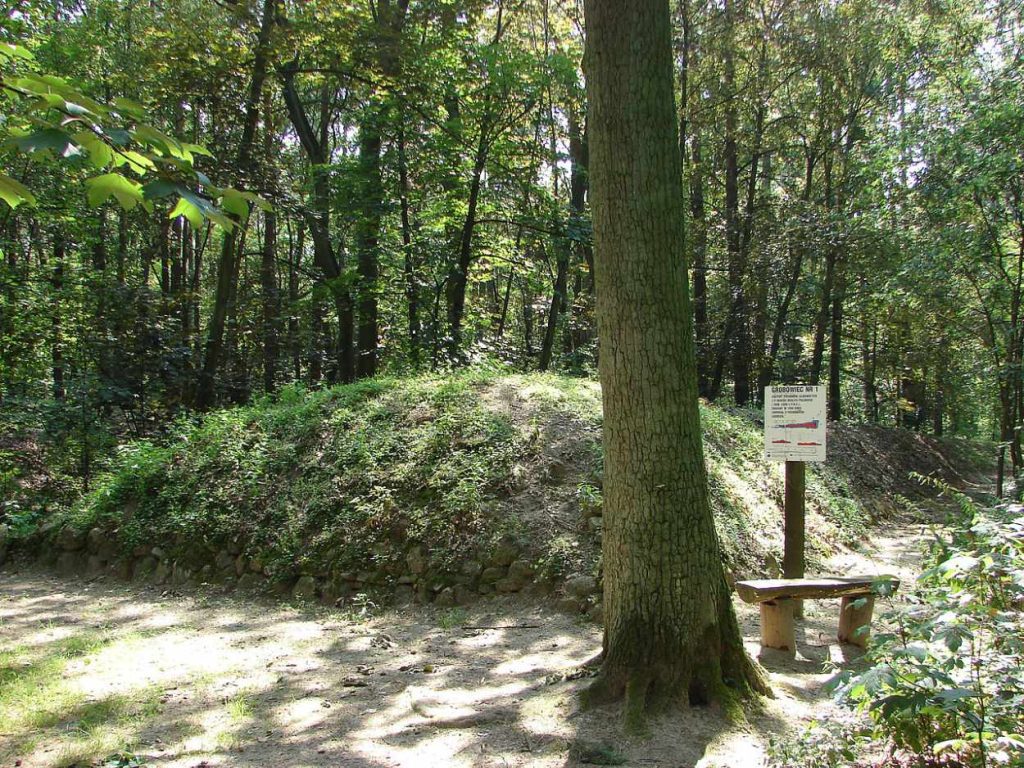
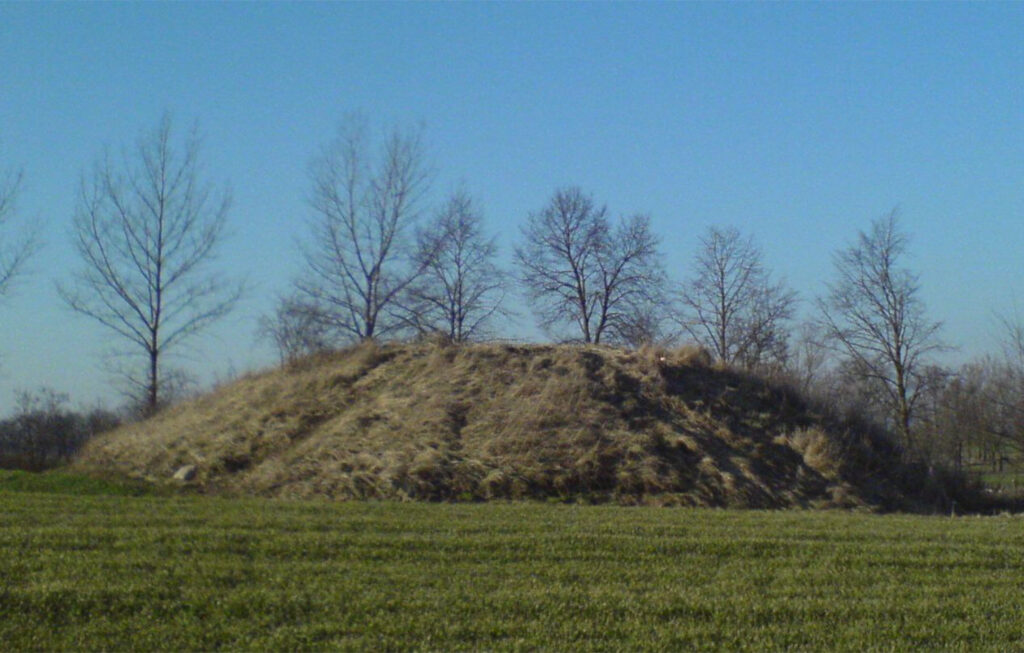
Hidden in the quiet countryside of western Poland lie the so-called “Greater Poland Pyramids.” Despite the dramatic nickname, these structures are not true pyramids like those of Egypt. Instead, they are a collection of four ancient burial mounds built thousands of years ago by people of the Bronze Age. Yet their scale, wealth, and historical significance make them remarkable monuments of prehistoric Europe.

The Greater Poland Pyramids, known in Polish as Wielkopolskie piramidy, are located near the village of Łęki Małe in the historical region of Greater Poland. Archaeologists associate them with the Únětice culture, an influential Bronze Age civilization that existed roughly between 2300 and 1600 BCE. The burial mounds themselves are believed to date from this period and provide rare insight into the social hierarchy and rituals of prehistoric communities.

The mounds were studied extensively between 1933 and 1955 by the Polish archaeologist Józef Kostrzewski. His excavations revealed that these were not ordinary graves. The individuals buried inside belonged to a powerful elite, possibly tribal rulers or aristocratic warriors. Their tombs contained rich grave goods, including horses, weapons, gold ornaments, bronze artifacts, amber jewelry, and ceremonial dagger-like weapons known as “staff daggers.” Such discoveries demonstrated that prehistoric societies in the region were far from egalitarian and already possessed complex social structures.

Originally, at least eleven burial mounds stood in the area. Unfortunately, many were destroyed during the construction of the Kościan–Grodzisk railway line in the nineteenth century. Today, only four surviving mounds remain accessible to visitors. Even so, these surviving structures continue to offer valuable archaeological evidence about early European civilization.

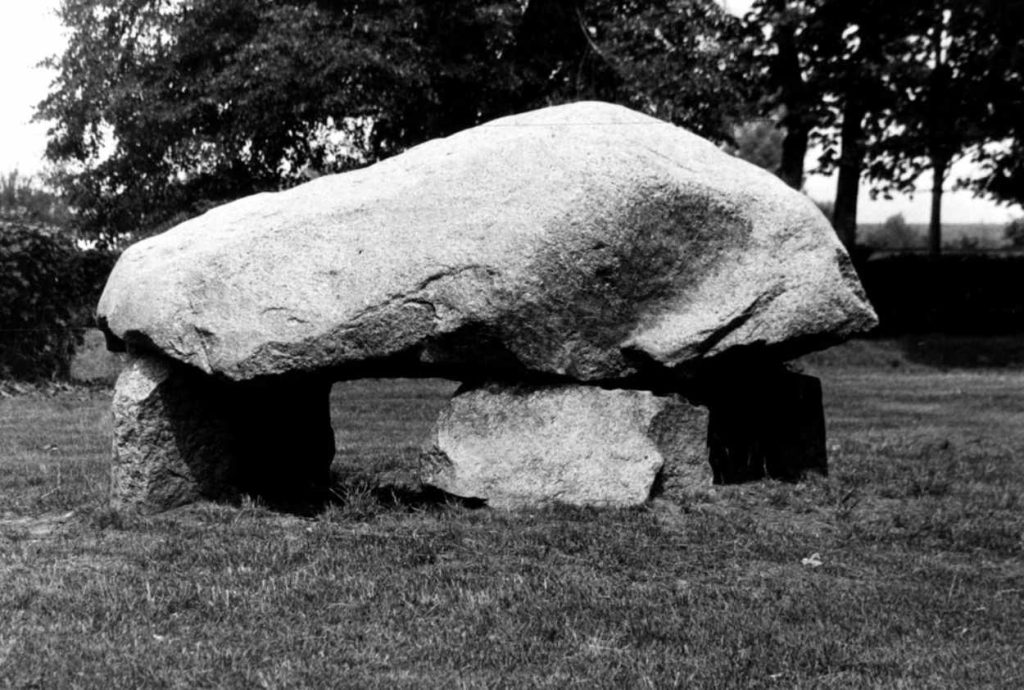
The comparison to pyramids comes mainly from their monumental character and funerary purpose. Unlike the stone pyramids of ancient Egypt, these monuments were built from earth and formed as large tumuli or kurgans. However, both served as burial sites for important members of society and reflected the power and prestige of ruling elites.
Type of paganism

Type of place

Tags

References

image source: https://pl.wikipedia.org/wiki/Plik:Kurhan1-lekimale2.jpg

Share
Piramidy Wielkopolskie, DW308, 64-060, Poland
52.1489379,, 16.5267792

Hidden in the quiet countryside of western Poland lie the so-called “Greater Poland Pyramids.” Despite the dramatic nickname, these structures are not true pyramids like those of Egypt. Instead, they are a collection of four ancient burial mounds built thousands of years ago by people of the Bronze Age. Yet their scale, wealth, and historical significance make them remarkable monuments of prehistoric Europe.

The Greater Poland Pyramids, known in Polish as Wielkopolskie piramidy, are located near the village of Łęki Małe in the historical region of Greater Poland. Archaeologists associate them with the Únětice culture, an influential Bronze Age civilization that existed roughly between 2300 and 1600 BCE. The burial mounds themselves are believed to date from this period and provide rare insight into the social hierarchy and rituals of prehistoric communities.

The mounds were studied extensively between 1933 and 1955 by the Polish archaeologist Józef Kostrzewski. His excavations revealed that these were not ordinary graves. The individuals buried inside belonged to a powerful elite, possibly tribal rulers or aristocratic warriors. Their tombs contained rich grave goods, including horses, weapons, gold ornaments, bronze artifacts, amber jewelry, and ceremonial dagger-like weapons known as “staff daggers.” Such discoveries demonstrated that prehistoric societies in the region were far from egalitarian and already possessed complex social structures.

Originally, at least eleven burial mounds stood in the area. Unfortunately, many were destroyed during the construction of the Kościan–Grodzisk railway line in the nineteenth century. Today, only four surviving mounds remain accessible to visitors. Even so, these surviving structures continue to offer valuable archaeological evidence about early European civilization.

The comparison to pyramids comes mainly from their monumental character and funerary purpose. Unlike the stone pyramids of ancient Egypt, these monuments were built from earth and formed as large tumuli or kurgans. However, both served as burial sites for important members of society and reflected the power and prestige of ruling elites.
Publishing

References

image source: https://pl.wikipedia.org/wiki/Plik:Kurhan1-lekimale2.jpg

Share

Other places in Poland