Sliprännor i Gantofta

Sliprännor i Gantofta

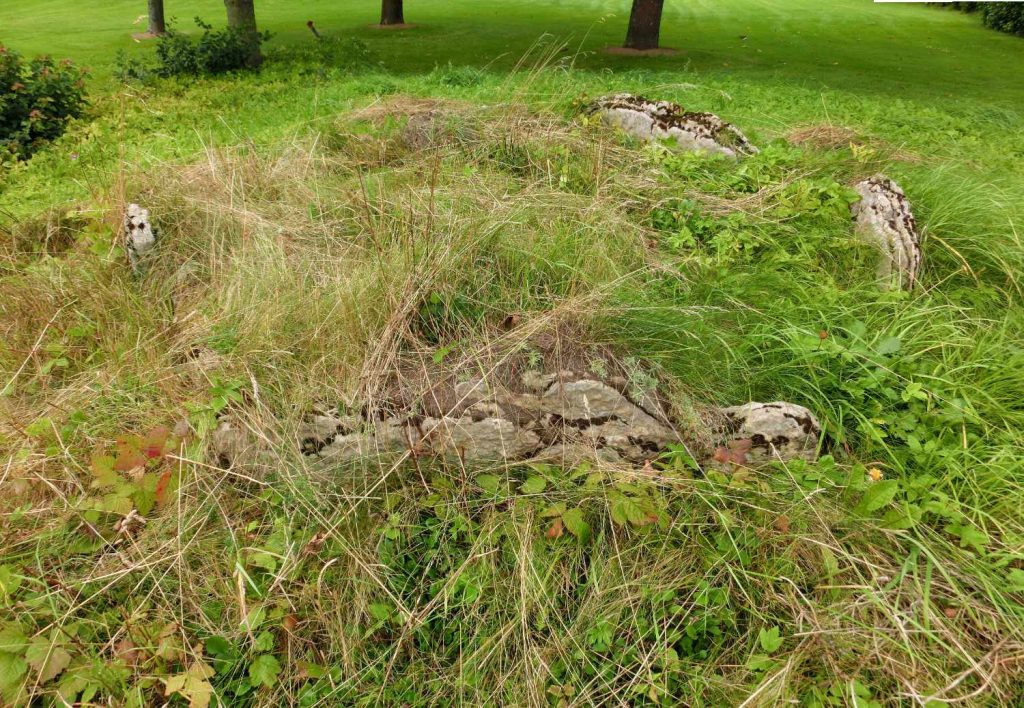
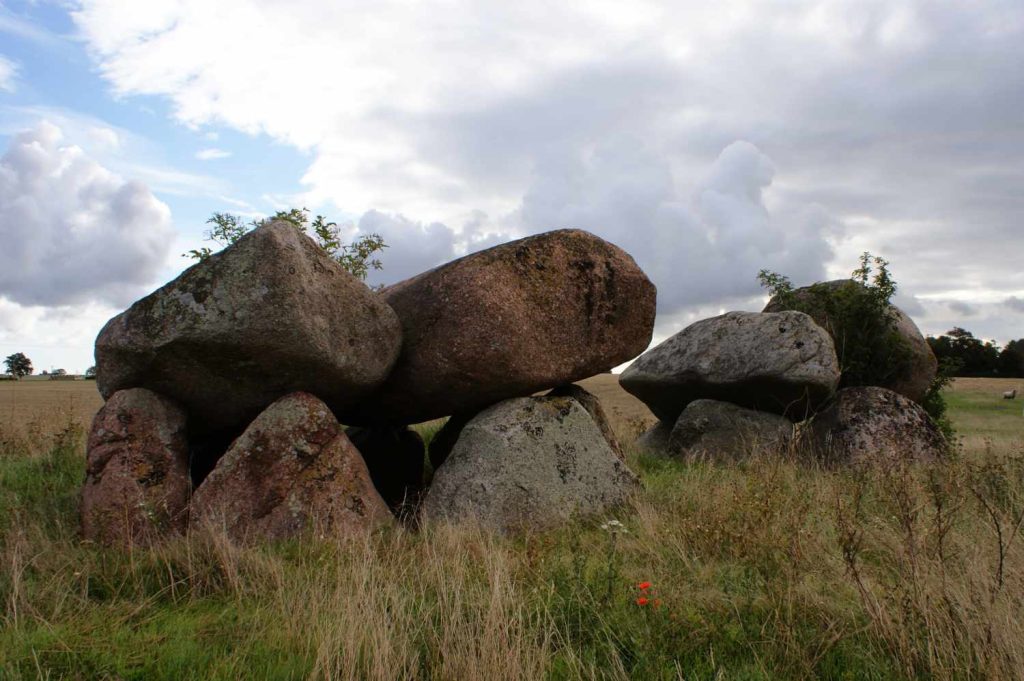
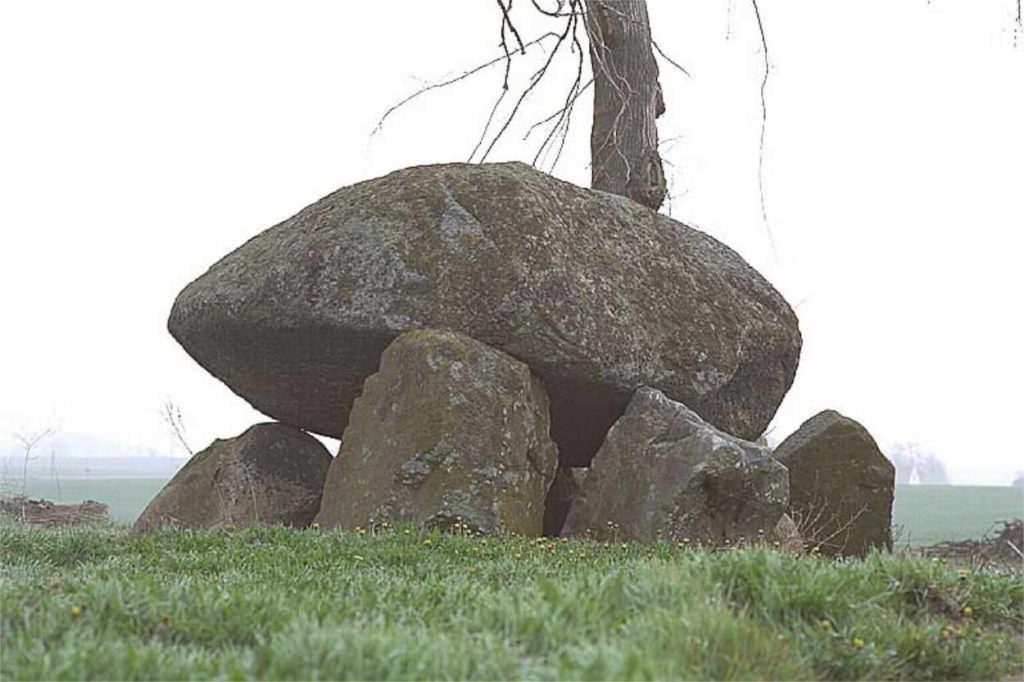
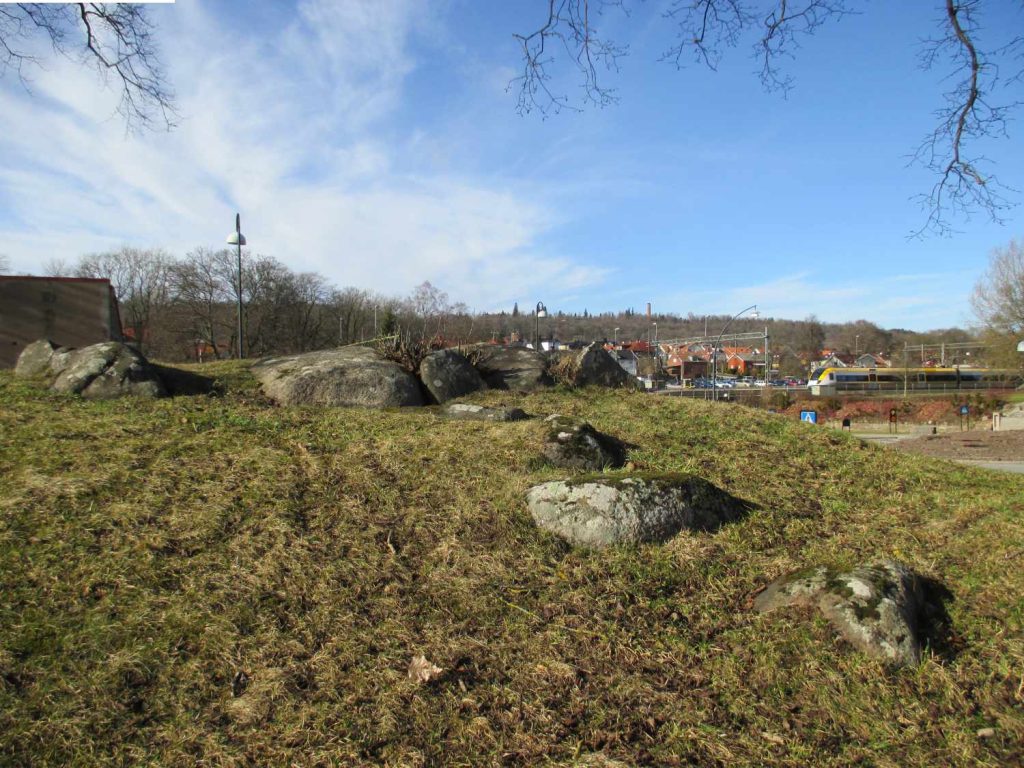
The Sliprännor in Gantofta are particularly well-known and numerous prehistoric rock art, with over 200 examples found in the area.

Sliprännor i Gantofta

Sliprännor i Gantofta

The Sliprännor in Gantofta are particularly well-known and numerous prehistoric rock art, with over 200 examples found in the area.

Sliprännor, also known as “polished grooves,” are a type of prehistoric rock art found in Scandinavia, including in the Gantofta area of Sweden. These carvings consist of long, narrow grooves or channels that have been carefully polished into the surface of the rock using abrasive tools.

The Sliprännor in Gantofta are particularly well-known and numerous, with over 200 examples found in the area. They are believed to date from the Bronze Age, approximately 1500-500 BCE, and were likely created by the people who lived in the area at that time.

The purpose of the Sliprännor is not entirely clear, but they are believed to have had some kind of religious or ceremonial significance. Some scholars have suggested that the grooves were used for bloodletting rituals, while others have proposed that they were used to create patterns or symbols that had spiritual significance.

Whatever their original purpose, the Sliprännor in Gantofta are an important archaeological and cultural resource, providing a window into the beliefs and practices of the people who lived in the area thousands of years ago.
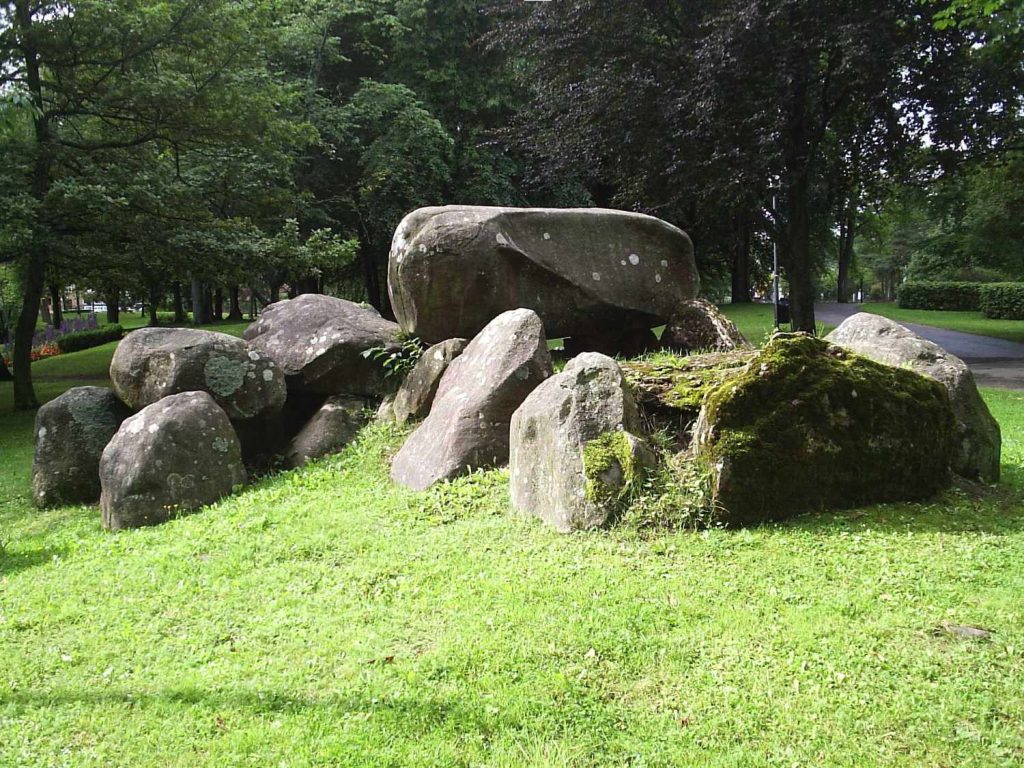
Type of paganism

Type of place

Tags

References

image via https://commons.wikimedia.org/wiki/File:Slipr%C3%A4nnor_Gantofta_1.jpg

Share
Sliprännor, 253 73 Gantofta, Sweden
55.9774958, 12.8135169

Sliprännor, also known as “polished grooves,” are a type of prehistoric rock art found in Scandinavia, including in the Gantofta area of Sweden. These carvings consist of long, narrow grooves or channels that have been carefully polished into the surface of the rock using abrasive tools.

The Sliprännor in Gantofta are particularly well-known and numerous, with over 200 examples found in the area. They are believed to date from the Bronze Age, approximately 1500-500 BCE, and were likely created by the people who lived in the area at that time.

The purpose of the Sliprännor is not entirely clear, but they are believed to have had some kind of religious or ceremonial significance. Some scholars have suggested that the grooves were used for bloodletting rituals, while others have proposed that they were used to create patterns or symbols that had spiritual significance.

Whatever their original purpose, the Sliprännor in Gantofta are an important archaeological and cultural resource, providing a window into the beliefs and practices of the people who lived in the area thousands of years ago.
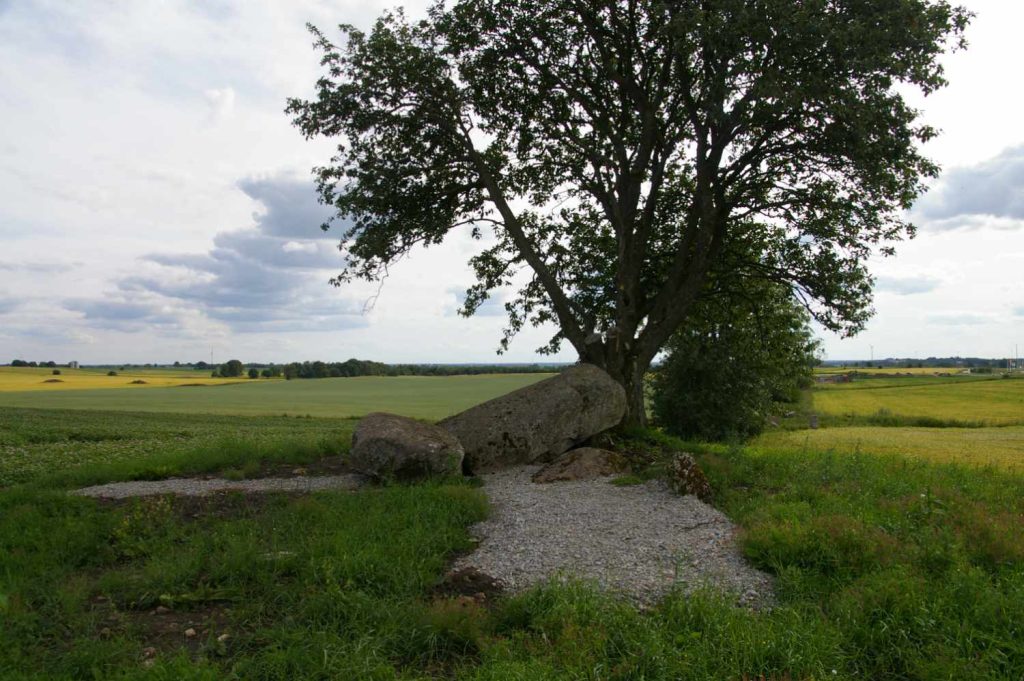
Publishing

References

image via https://commons.wikimedia.org/wiki/File:Slipr%C3%A4nnor_Gantofta_1.jpg

Share

Other places in Sweden

Lusthushögen
Posted 1 year ago
Firse Sten
Posted 1 year ago
Bestorpsdösen
Posted 1 year ago
Snarringe
Posted 2 years ago
Jarlsdösen
Posted 2 years ago