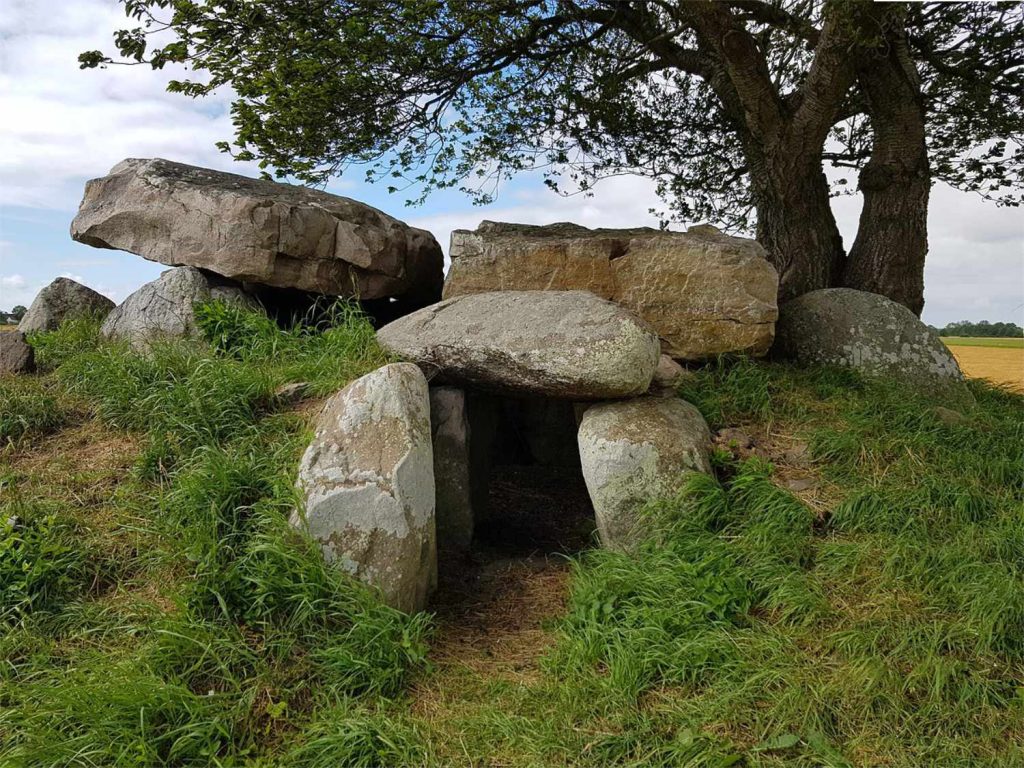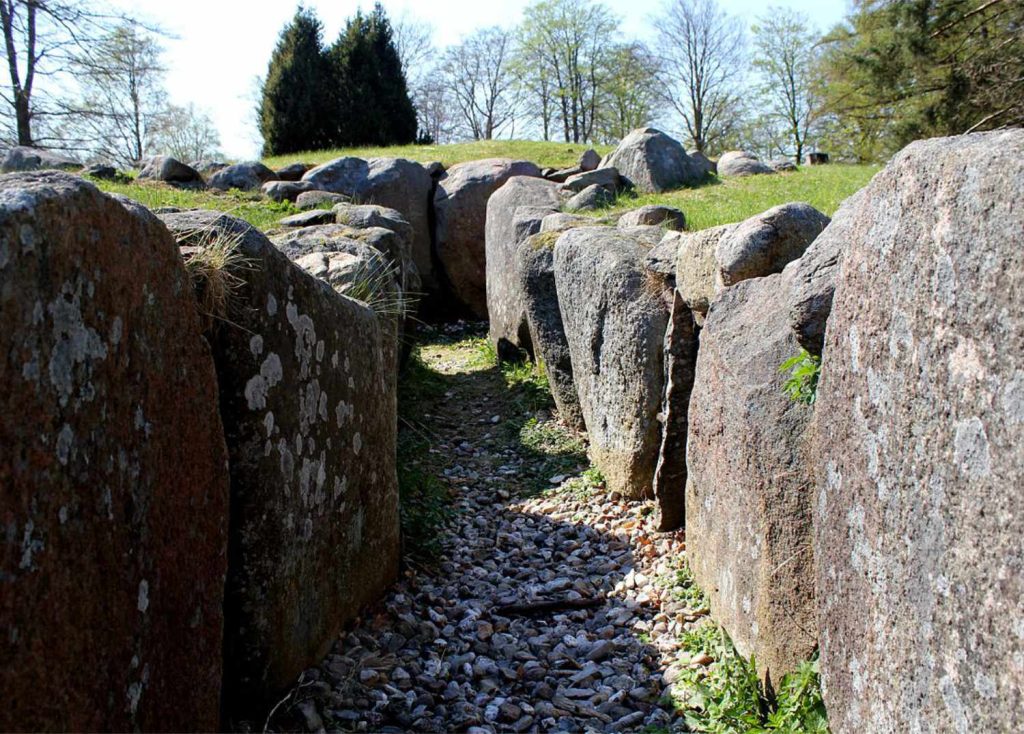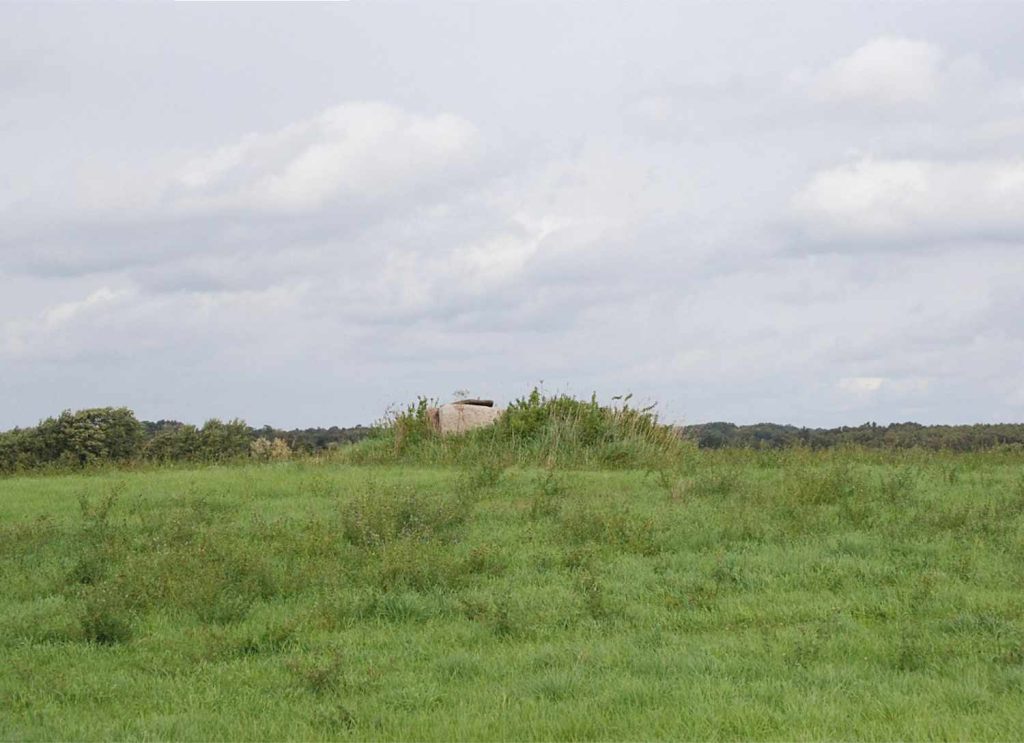
Slagsagergaard Dolmen, nestled in the Danish landscape, stands as a captivating relic of prehistoric times, offering a glimpse into the rich history of Denmark’s ancient civilizations. This dolmen, situated in the peaceful countryside, is a testament to the architectural and cultural practices of the Neolithic period.
Dating back to around 3500 BCE, Slagsagergaard Dolmen is part of Denmark’s impressive collection of megalithic structures. A dolmen typically consists of a large horizontal stone slab supported by vertical stones, creating a chamber-like structure. These monuments were often used as burial sites, and Slagsagergaard Dolmen is no exception.
The dolmen’s name, Slagsagergaard, adds an element of local history to the site. As with many ancient structures, the name may carry echoes of folklore or the individuals who discovered or inhabited the area in more recent times.
Visitors to Slagsagergaard Dolmen are treated not only to a historical exploration but also to the serene beauty of the surrounding countryside. The dolmen is often situated in a picturesque setting, inviting those who venture to the site to enjoy the tranquility of Denmark’s rural landscapes.
Exploring Slagsagergaard Dolmen provides a tangible connection to the people of the Neolithic era. As one enters the dolmen’s chamber and contemplates the massive stones, it becomes evident that these structures were not only functional but also symbolic, representing the cultural and spiritual beliefs of the communities that constructed them.
For archaeology enthusiasts or those simply curious about Denmark’s ancient past, Slagsagergaard Dolmen offers a captivating journey through time. The site encourages contemplation of the ingenuity and craftsmanship of the Neolithic people who erected these enduring monuments.
Before planning a visit to Slagsagergaard Dolmen, it’s advisable to check for any visitor information or guided tours that may enhance the experience. As with many historical sites, a trip to this ancient dolmen promises not only a fascinating encounter with Denmark’s prehistoric heritage but also a serene escape into the beauty of the natural surroundings that cradle these enduring monuments.