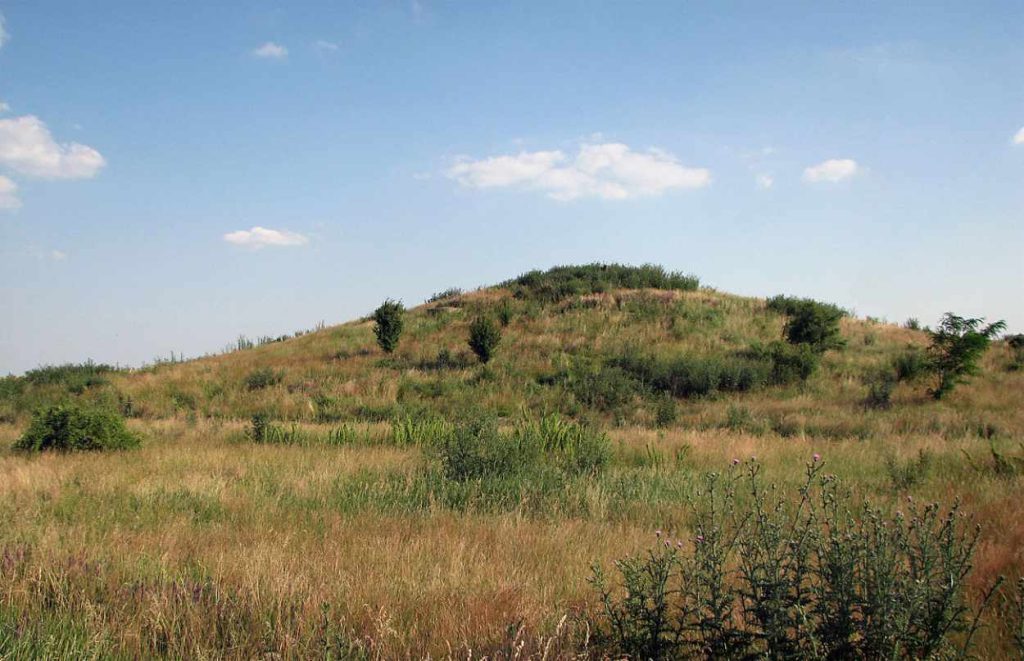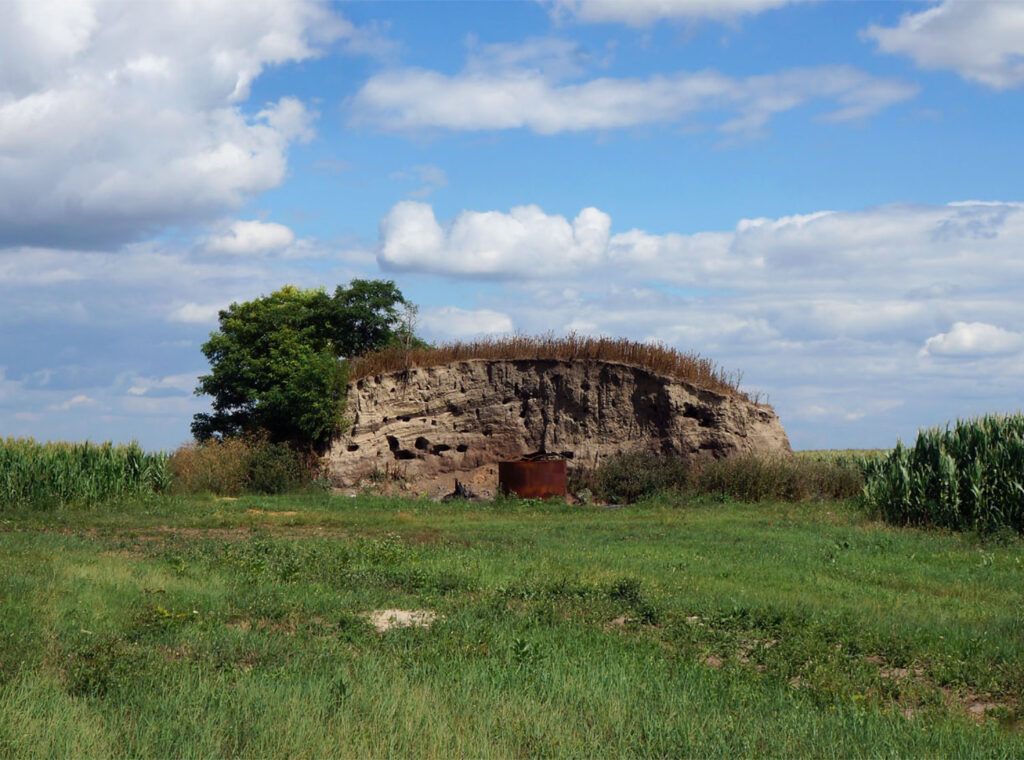
Among the many prehistoric archaeological sites scattered across the Balkans, Kurgan Čuka (Serbian: Курган Чука) stands out as a reminder of the complex societies that inhabited present-day Serbia during the Bronze Age. Located in the northern part of the country, the site belongs to a broader tradition of burial mounds and fortified settlements that connected the Carpathian Basin with the Eurasian steppes and the wider European Bronze Age world.
What Is Kurgan Čuka?
The name Kurgan Čuka combines two terms associated with elevated archaeological features. The word kurgan refers to a burial mound or tumulus, a type of monument widely used across the Eurasian steppes from the fourth millennium BCE onward. Such mounds were often constructed over graves and served as visible markers of social status, memory, and territorial control. The term čuka is commonly used in the Balkans to describe a hill or elevated mound.
Kurgan Čuka is therefore both a geographical landmark and an archaeological site that preserves evidence of prehistoric activity. Like many ancient mounds in Serbia, it forms part of a larger cultural landscape in which burial, settlement, and ritual practices were closely intertwined.
Bronze Age Context
Archaeologists associate the region around Kurgan Čuka with the cultural developments of the Bronze Age, particularly the networks that flourished in the Pannonian Plain and the central Balkans between approximately 2000 and 1500 BCE. During this period, communities engaged in agriculture, animal husbandry, metallurgy, and long-distance trade.
One of the most influential archaeological cultures of the region was the Vatin culture, which occupied large areas of present-day Serbia and neighboring territories. The Vatin people developed fortified settlements, produced sophisticated pottery, and maintained contacts with other European and Mediterranean societies. Archaeological evidence suggests that these communities participated in extensive exchange networks that carried metals, luxury goods, and technological innovations across southeastern Europe.
Archaeological Importance
Sites such as Kurgan Čuka are valuable because they provide insight into prehistoric burial customs and social organization. Burial mounds often contain not only human remains but also grave goods such as pottery, weapons, ornaments, and tools. These artifacts help researchers reconstruct the beliefs, economic activities, and social hierarchies of ancient communities.
Throughout Eurasia, kurgans frequently served as symbols of elite status. Their construction required organized labor and considerable resources, indicating that the societies responsible for them possessed established leadership structures. The presence of similar burial traditions across vast distances also points to cultural connections between the Balkans, the Pontic-Caspian steppe, and Central Europe.
Kurgans in Serbia
Serbia contains hundreds of known kurgans, tumuli, and earthen mounds dating from different prehistoric and historic periods. Many remain insufficiently studied or protected, despite their importance for understanding the region’s past. Archaeological surveys and documentation projects have highlighted the need to preserve these monuments, which are often threatened by agricultural activity, erosion, and modern development.
Preservation and Future Research
Modern archaeological methods—including aerial photography, satellite imagery, geophysical surveys, and environmental analysis—continue to reveal new information about prehistoric landscapes in Serbia. Recent discoveries of Bronze Age earthworks and settlement systems in the region suggest that many important sites remain unexplored.
Future investigations at Kurgan Čuka and similar locations may provide new evidence about burial practices, settlement patterns, trade networks, and cultural identities during the Bronze Age. As research advances, these ancient mounds will continue to play a crucial role in understanding the deep history of southeastern Europe.