Skelhøj burial mound

Skelhøj burial mound

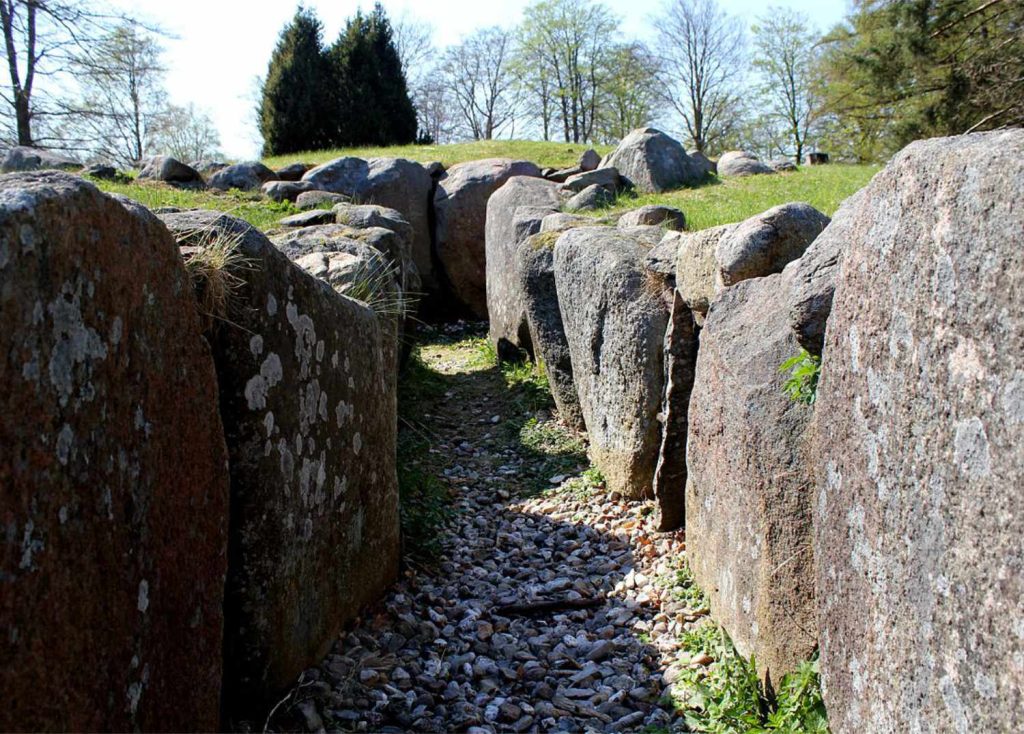
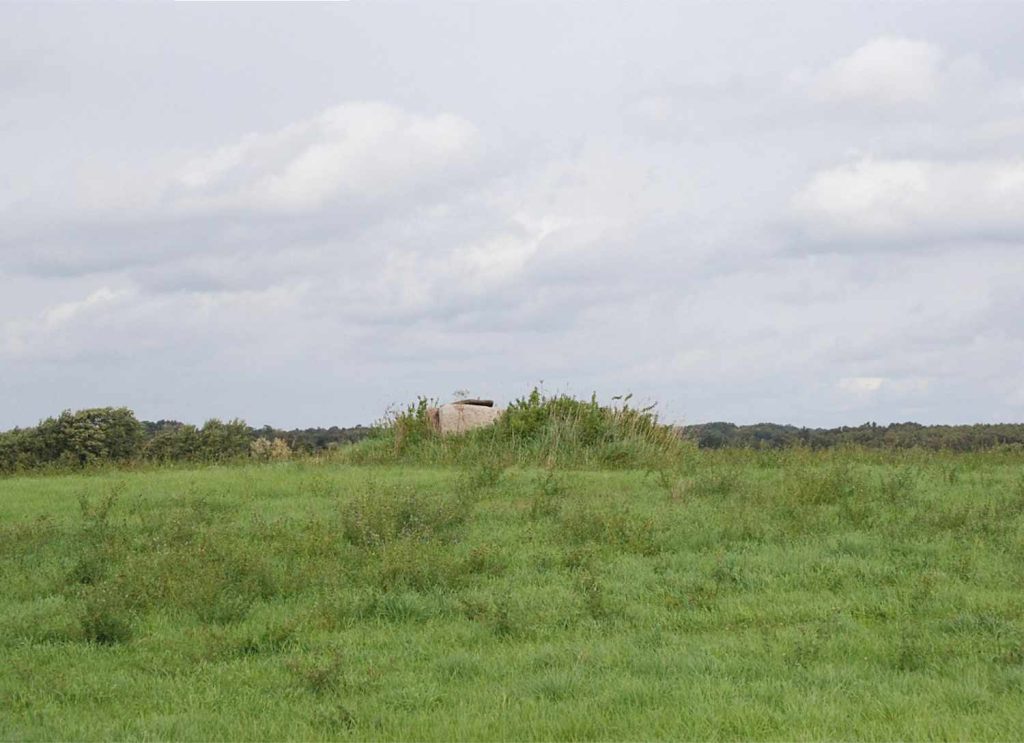
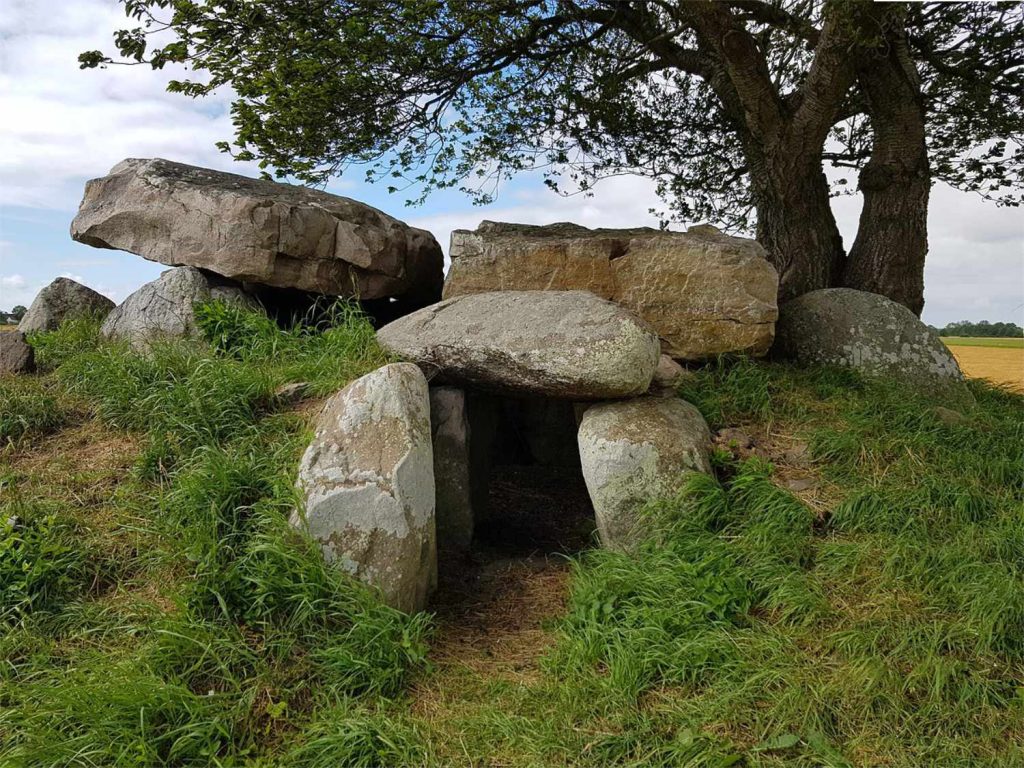
Skelhøj is a large burial mound located in central Jutland, Denmark. It is one of the largest and most impressive burial mounds from the Bronze Age in Denmark.

Skelhøj burial mound

Skelhøj burial mound

Skelhøj is a large burial mound located in central Jutland, Denmark. It is one of the largest and most impressive burial mounds from the Bronze Age in Denmark.

Skelhøj is a large burial mound located in central Jutland, Denmark. It is one of the largest and most impressive burial mounds from the Bronze Age in Denmark, dating back to around 1400 BCE.

The mound is approximately 25 meters in diameter and 6 meters high, and was constructed using soil and stones. It is believed to have been built as a tomb for an important Bronze Age chieftain or ruler, along with members of their family and possibly some servants.

Archaeological excavations of the Skelhøj burial mound have revealed the remains of several individuals, as well as a variety of grave goods such as bronze daggers, jewelry, and pottery. These artifacts provide valuable insights into the material culture and burial practices of the Bronze Age people who lived in the region.

The Skelhøj burial mound is an important historical and cultural site in Denmark, and has been designated as a protected monument. It is also a popular destination for visitors who are interested in exploring the country’s rich archaeological heritage. Today, visitors can explore the mound and learn more about its fascinating history at the nearby Skelhøj Museum, which features exhibits on the Bronze Age and the burial practices of ancient Denmark.

Type of paganism

Type of place

Tags

References

image via https://commons.wikimedia.org/wiki/File:Konge%C3%A5stien_ved_Skelh%C3%B8j.jpg

Share
Skelhøj, Vesterbyvej 48, 6683 Føvling, Denmark
55.4148525, 8.8664962

Skelhøj is a large burial mound located in central Jutland, Denmark. It is one of the largest and most impressive burial mounds from the Bronze Age in Denmark, dating back to around 1400 BCE.

The mound is approximately 25 meters in diameter and 6 meters high, and was constructed using soil and stones. It is believed to have been built as a tomb for an important Bronze Age chieftain or ruler, along with members of their family and possibly some servants.

Archaeological excavations of the Skelhøj burial mound have revealed the remains of several individuals, as well as a variety of grave goods such as bronze daggers, jewelry, and pottery. These artifacts provide valuable insights into the material culture and burial practices of the Bronze Age people who lived in the region.

The Skelhøj burial mound is an important historical and cultural site in Denmark, and has been designated as a protected monument. It is also a popular destination for visitors who are interested in exploring the country’s rich archaeological heritage. Today, visitors can explore the mound and learn more about its fascinating history at the nearby Skelhøj Museum, which features exhibits on the Bronze Age and the burial practices of ancient Denmark.
Publishing

References

image via https://commons.wikimedia.org/wiki/File:Konge%C3%A5stien_ved_Skelh%C3%B8j.jpg

Share

Other places in Denmark

Åstrup Deelhøj
Posted 1 year ago
Kópakonan statue
Posted 2 years ago
Mor Gribs Hule
Posted 2 years ago