
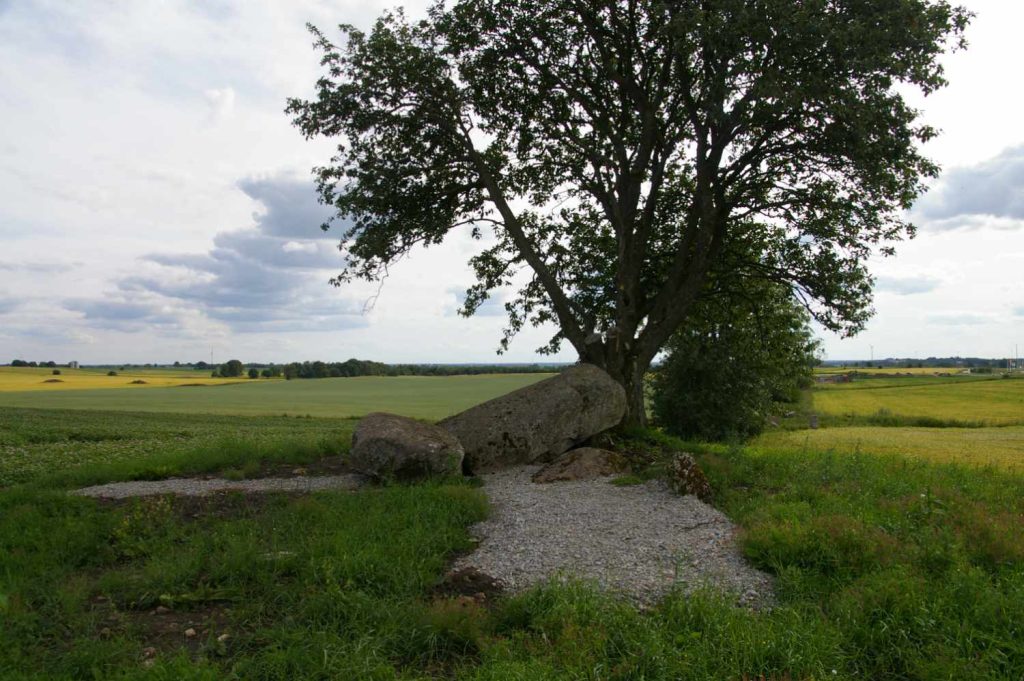
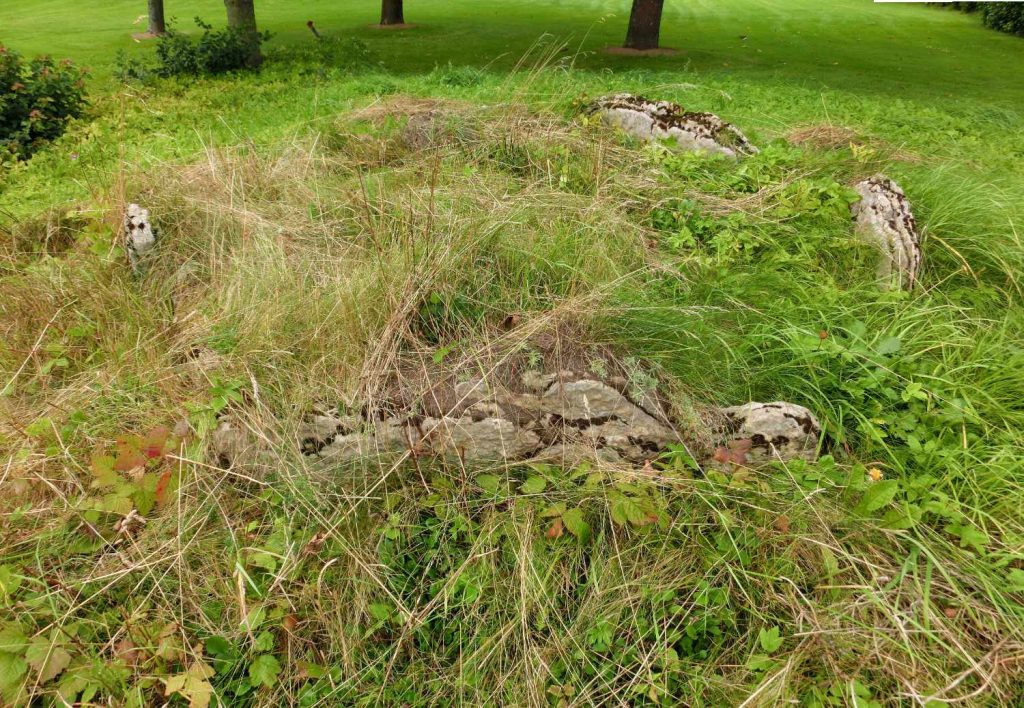
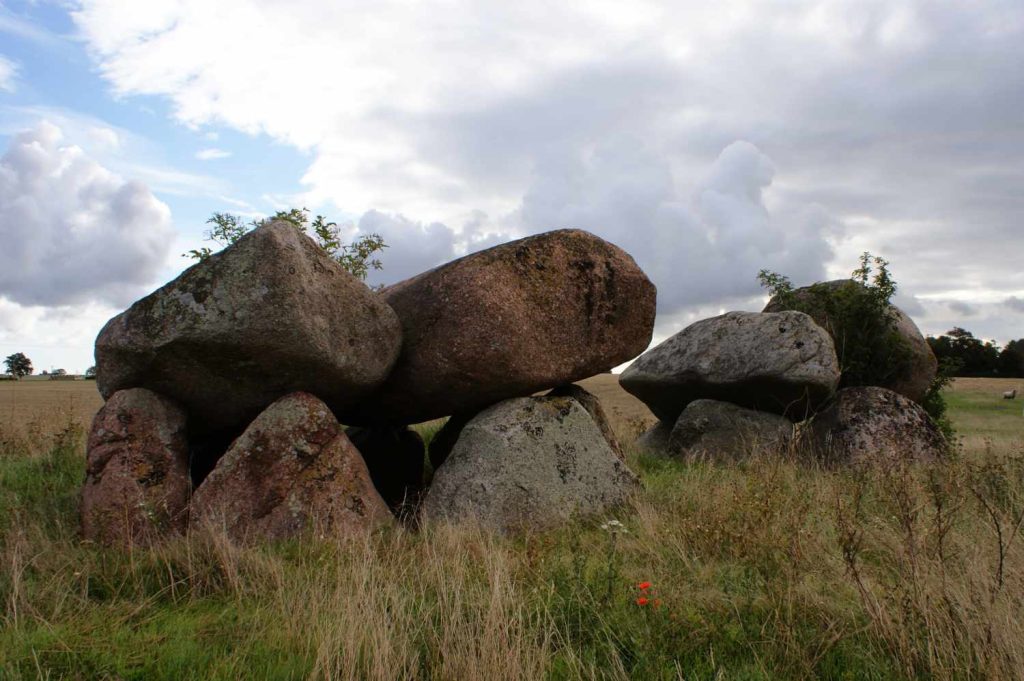
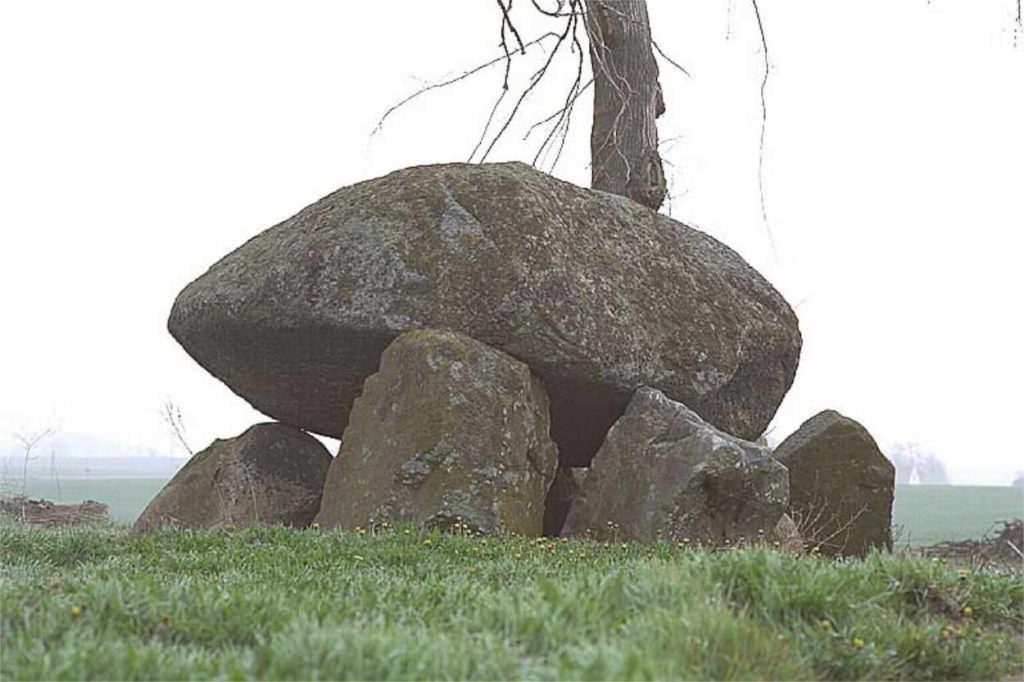
The Brattås Dolmen dates back to the Neolithic period, approximately between 3500 and 2800 BCE, and is a megalithic structure of the Funnel beaker culture. Situated southwest of Brattås in the parish of Röra, southwest of Henån on the Swedish island of Orust in Bohuslän, this polygonal dolmen is surrounded by four upright stones with inward-leaning support stones. It is located within a remnant of a mound and lacks a capstone (Swedish: takhällen). An examination conducted in 1915 revealed remnants of pottery and a flint dagger.
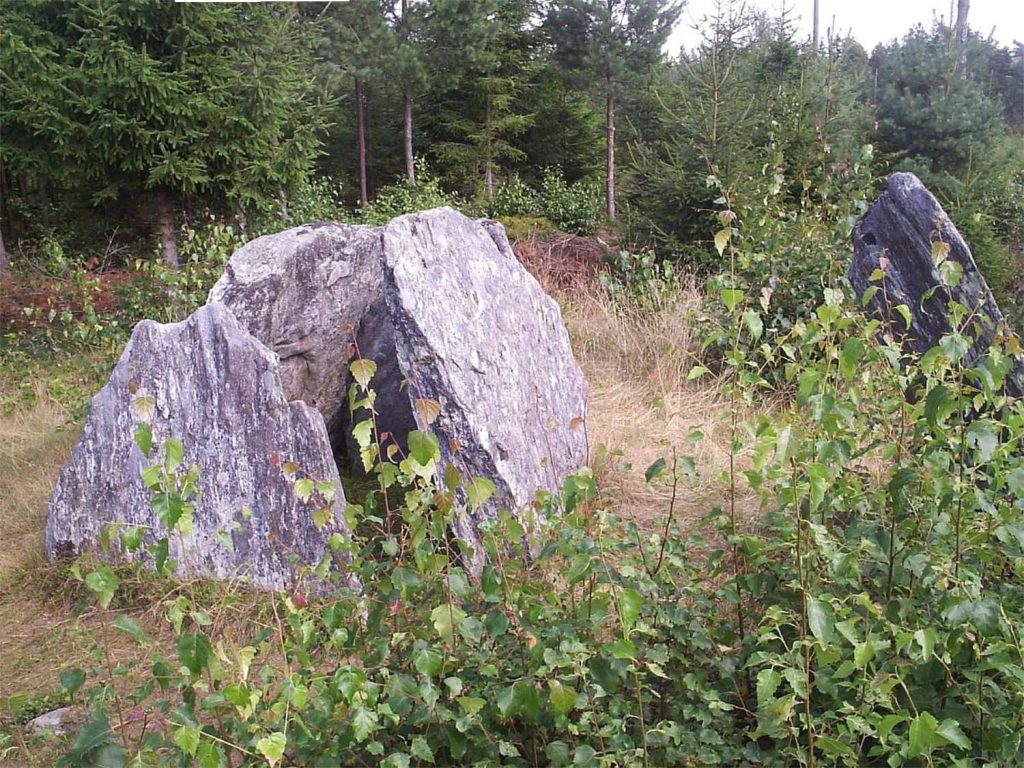
Brattås dolmen
The Brattås Dolmen dates back to the Neolithic period, approximately between 3500 and 2800 BCE, and is a megalithic structure of the Funnel beaker culture.
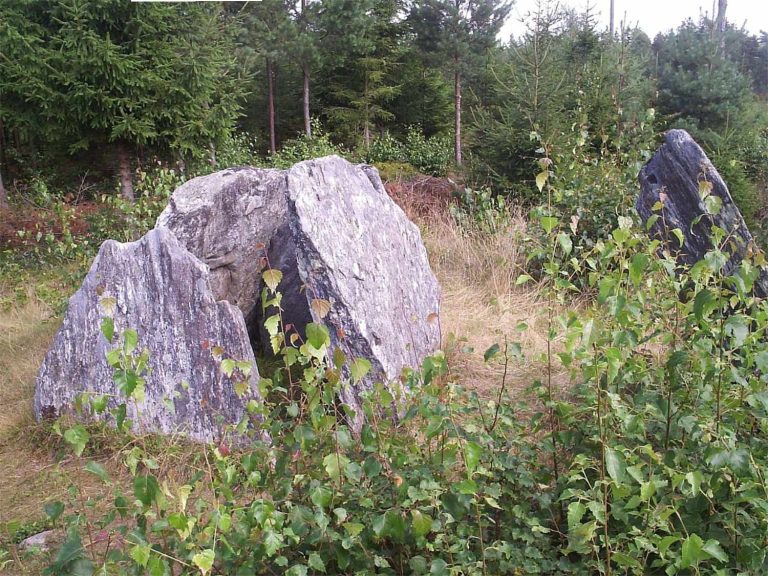
Brattås dolmen
The Brattås Dolmen dates back to the Neolithic period, approximately between 3500 and 2800 BCE, and is a megalithic structure of the Funnel beaker culture.
Röra gånggrift, Orust V, Sweden
58.222611, 11.595853
The Brattås Dolmen dates back to the Neolithic period, approximately between 3500 and 2800 BCE, and is a megalithic structure of the Funnel beaker culture. Situated southwest of Brattås in the parish of Röra, southwest of Henån on the Swedish island of Orust in Bohuslän, this polygonal dolmen is surrounded by four upright stones with inward-leaning support stones. It is located within a remnant of a mound and lacks a capstone (Swedish: takhällen). An examination conducted in 1915 revealed remnants of pottery and a flint dagger.
Publishing
Other places in Sweden
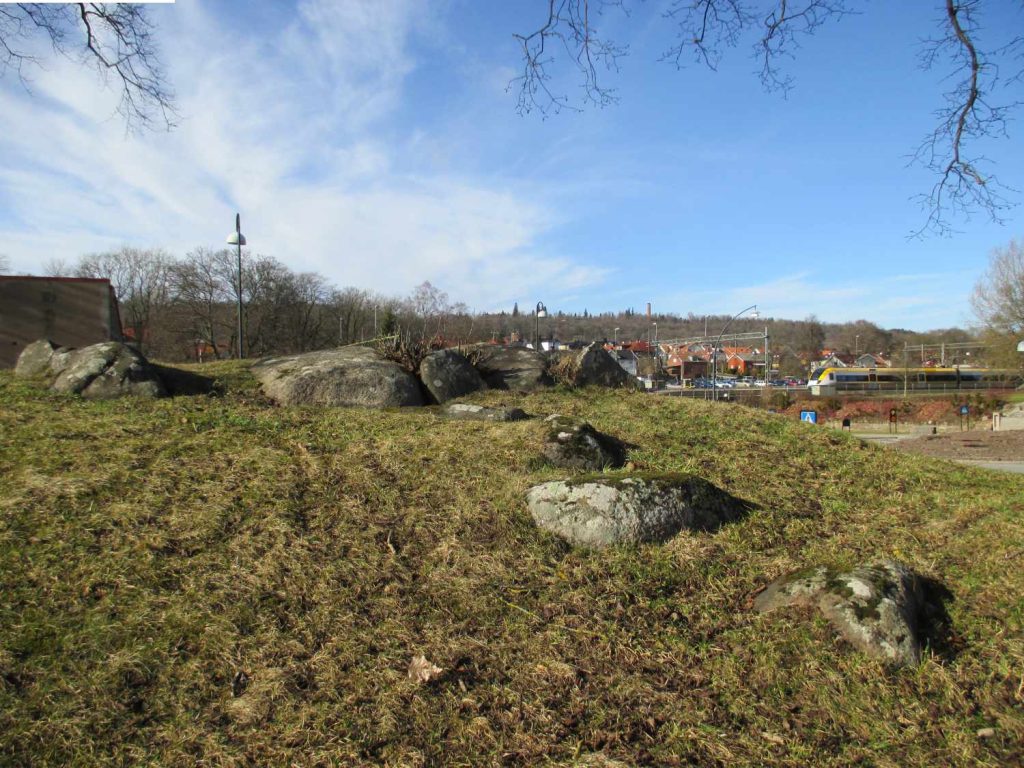
Posted 2 years ago
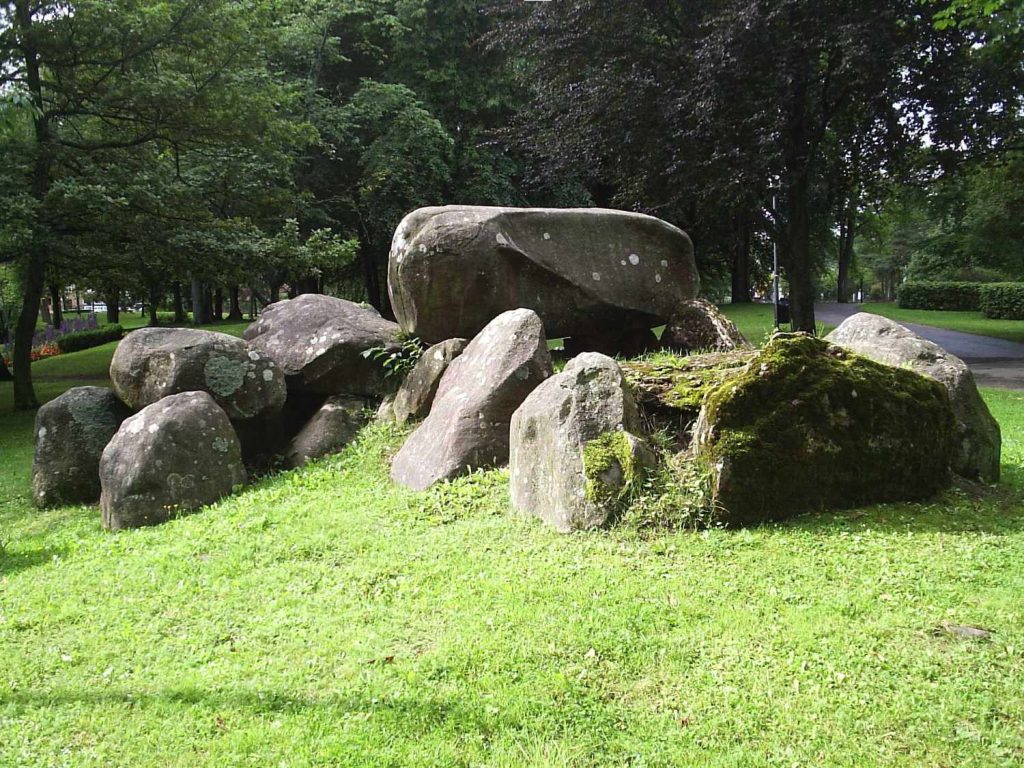
Posted 2 years ago
Posted 2 years ago
Posted 2 years ago


Posted 2 years ago