aughnagurganportal tomb

Aughnagurgan portal tomb

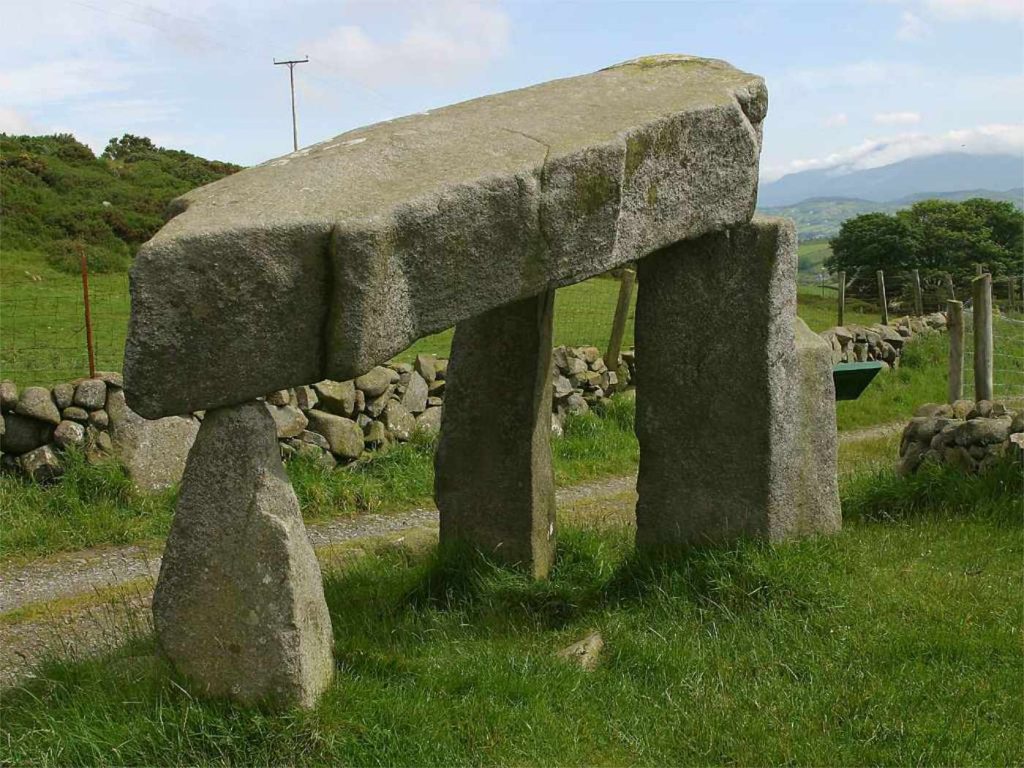
The Aughnagurgan Portal Tomb is a prehistoric megalithic monument located in the townland of Aughnagurgan, County Armagh, Northern Ireland, close to the border with the Republic of Ireland.

aughnagurganportal tomb

Aughnagurgan portal tomb

The Aughnagurgan Portal Tomb is a prehistoric megalithic monument located in the townland of Aughnagurgan, County Armagh, Northern Ireland, close to the border with the Republic of Ireland.

The Aughnagurgan Portal Tomb is a prehistoric megalithic monument located in the townland of Aughnagurgan, County Armagh, Northern Ireland, close to the border with the Republic of Ireland. Although now partially collapsed, the monument remains an important example of Ireland’s Neolithic portal tomb tradition and forms part of a wider concentration of megalithic monuments within the landscape.

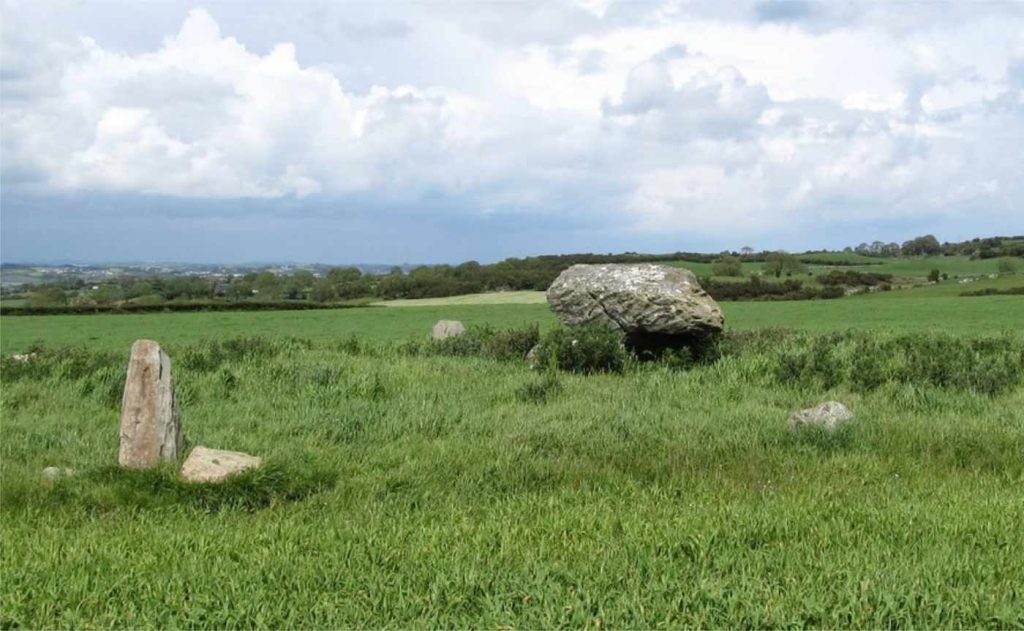
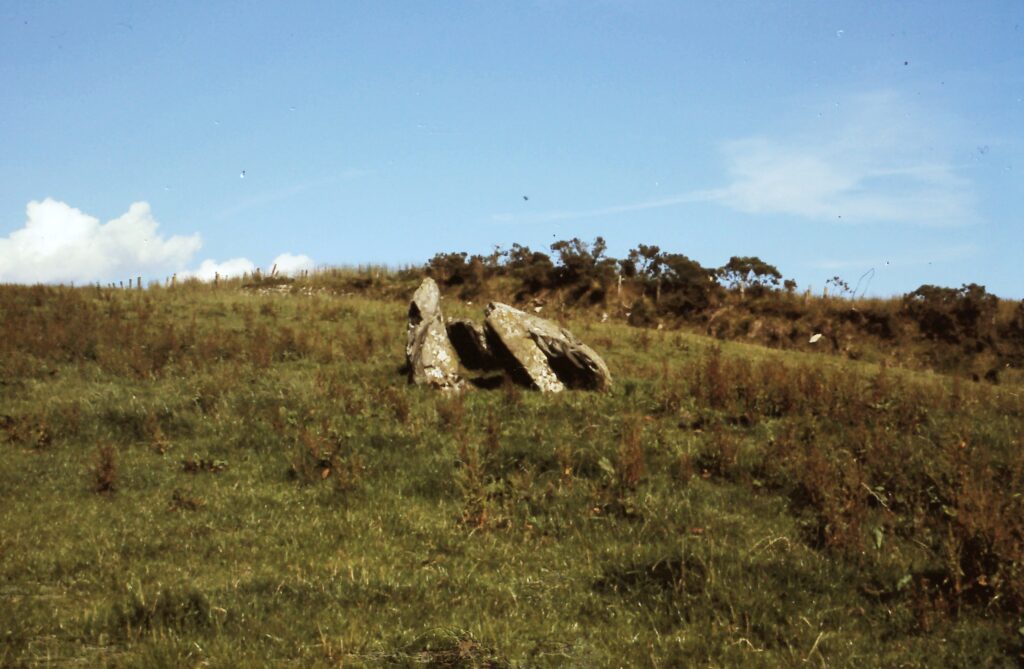
The tomb stands in pastureland on a hillside overlooking the surrounding countryside near Tullynawood Lake. Its elevated position provides extensive views across the region, a characteristic shared with many Irish megalithic monuments. The monument occupies a prominent location that would have been highly visible in prehistoric times, reinforcing its likely ceremonial and commemorative significance.

Aughnagurgan belongs to the class of monuments known as portal tombs. These structures are among the most recognizable forms of Irish megalithic architecture. Typically, a portal tomb consists of two tall entrance stones, known as portal stones, supporting a massive capstone above a burial chamber.

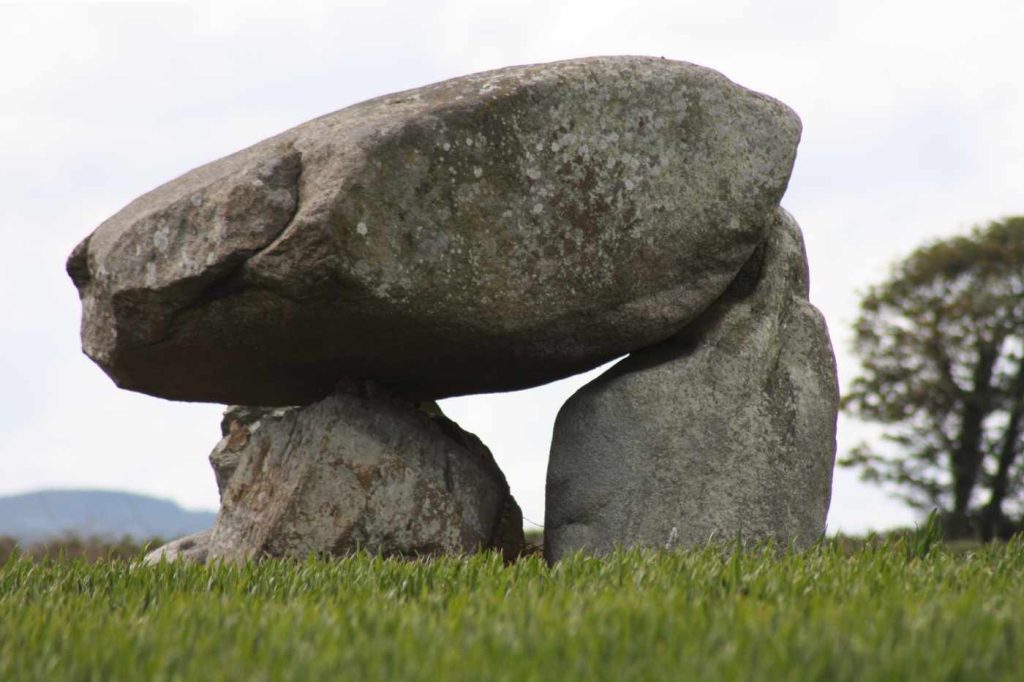
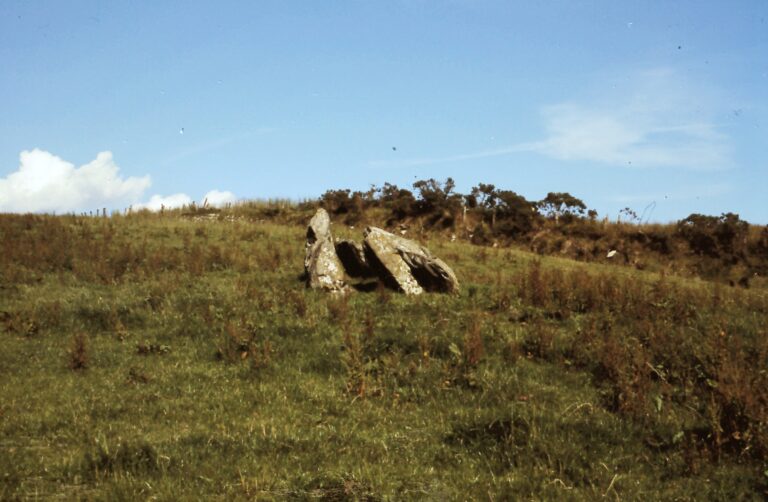
Today, the monument survives as a large fallen capstone and four supporting stones made of fine-grained granite. The capstone measures approximately 3.2 metres in length, 2.0 metres in width, and around 0.3 metres in thickness. It has tilted toward the southeast, placing pressure on the remaining orthostats and contributing to the monument’s collapsed appearance.

Two stones on the northwestern side remain upright. One of the surviving portal stones stands approximately 1.47 metres high. Archaeological records indicate that the tomb was once more complete, but by the early twentieth century it had already suffered substantial damage. Antiquarian Thomas George Farquhar Paterson recorded in 1940 that the capstone had reportedly been pushed from its supports during the lifetime of the local landowner’s father.

Although no major excavation has been conducted at Aughnagurgan itself, its architectural form clearly aligns it with the broader tradition of Irish portal tombs. The surviving capstone and chamber stones indicate that it was once a substantial monument, likely covered by a cairn or mound that has since disappeared through erosion and agricultural activity.

The Aughnagurgan Megalithic Complex

The portal tomb is not an isolated monument. Approximately 200 metres to the west lies another megalithic structure known locally as the “Giant’s Grave.” This enigmatic monument consists of several large stones forming a raised rectangular area and is protected as a scheduled monument. Archaeologists have found it difficult to classify, and its precise function remains uncertain.

A third megalithic site formerly existed nearby. Known as “The Oul’ Stones,” it appears to have been another prehistoric tomb or ritual monument. Unfortunately, it was destroyed during the late 1950s, leaving only a few damaged stones and historical sketches as evidence of its former appearance.

Together, these monuments demonstrate that Aughnagurgan was an important prehistoric ceremonial landscape rather than the location of a single isolated tomb.
Type of paganism

Type of place

Tags

References

image source: https://commons.wikimedia.org/wiki/File:2012.08.10-3A.Aughnagurgan_02.jpg

Share
Aughnagurgan Megalithic Tomb, Armagh BT60 3BS, United Kingdom
54.198968, -6.6698178

The Aughnagurgan Portal Tomb is a prehistoric megalithic monument located in the townland of Aughnagurgan, County Armagh, Northern Ireland, close to the border with the Republic of Ireland. Although now partially collapsed, the monument remains an important example of Ireland’s Neolithic portal tomb tradition and forms part of a wider concentration of megalithic monuments within the landscape.

The tomb stands in pastureland on a hillside overlooking the surrounding countryside near Tullynawood Lake. Its elevated position provides extensive views across the region, a characteristic shared with many Irish megalithic monuments. The monument occupies a prominent location that would have been highly visible in prehistoric times, reinforcing its likely ceremonial and commemorative significance.

Aughnagurgan belongs to the class of monuments known as portal tombs. These structures are among the most recognizable forms of Irish megalithic architecture. Typically, a portal tomb consists of two tall entrance stones, known as portal stones, supporting a massive capstone above a burial chamber.

Today, the monument survives as a large fallen capstone and four supporting stones made of fine-grained granite. The capstone measures approximately 3.2 metres in length, 2.0 metres in width, and around 0.3 metres in thickness. It has tilted toward the southeast, placing pressure on the remaining orthostats and contributing to the monument’s collapsed appearance.

Two stones on the northwestern side remain upright. One of the surviving portal stones stands approximately 1.47 metres high. Archaeological records indicate that the tomb was once more complete, but by the early twentieth century it had already suffered substantial damage. Antiquarian Thomas George Farquhar Paterson recorded in 1940 that the capstone had reportedly been pushed from its supports during the lifetime of the local landowner’s father.

Although no major excavation has been conducted at Aughnagurgan itself, its architectural form clearly aligns it with the broader tradition of Irish portal tombs. The surviving capstone and chamber stones indicate that it was once a substantial monument, likely covered by a cairn or mound that has since disappeared through erosion and agricultural activity.

The Aughnagurgan Megalithic Complex

The portal tomb is not an isolated monument. Approximately 200 metres to the west lies another megalithic structure known locally as the “Giant’s Grave.” This enigmatic monument consists of several large stones forming a raised rectangular area and is protected as a scheduled monument. Archaeologists have found it difficult to classify, and its precise function remains uncertain.

A third megalithic site formerly existed nearby. Known as “The Oul’ Stones,” it appears to have been another prehistoric tomb or ritual monument. Unfortunately, it was destroyed during the late 1950s, leaving only a few damaged stones and historical sketches as evidence of its former appearance.

Together, these monuments demonstrate that Aughnagurgan was an important prehistoric ceremonial landscape rather than the location of a single isolated tomb.
Publishing

References

image source: https://commons.wikimedia.org/wiki/File:2012.08.10-3A.Aughnagurgan_02.jpg

Share

Other places in United Kingdom