Kung Björns grav

Kung Björns grav

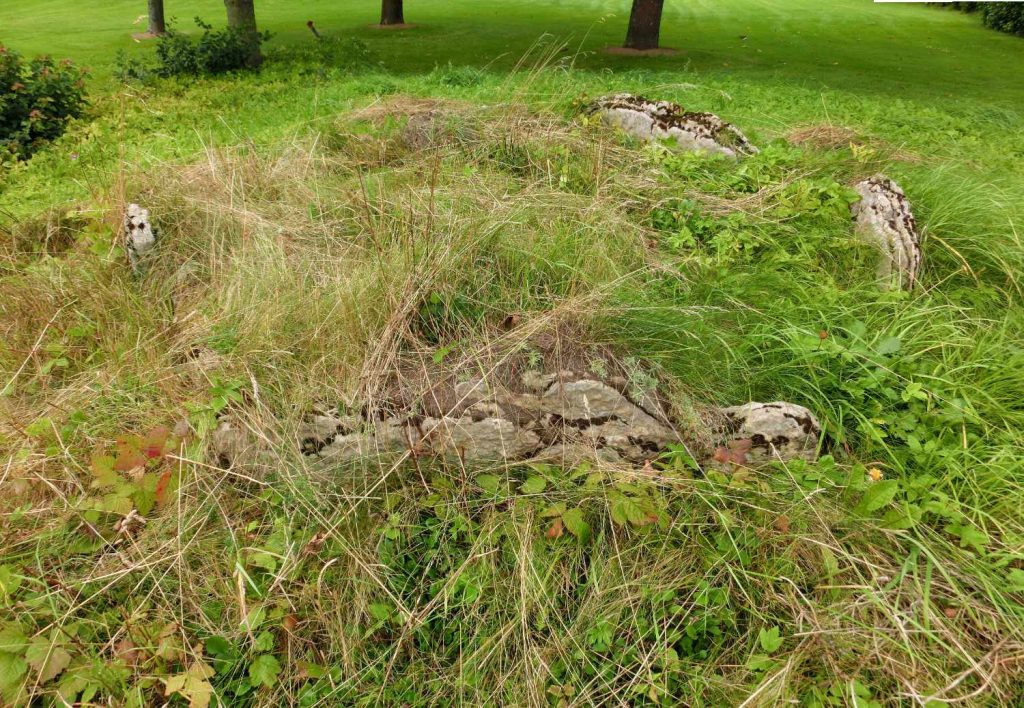
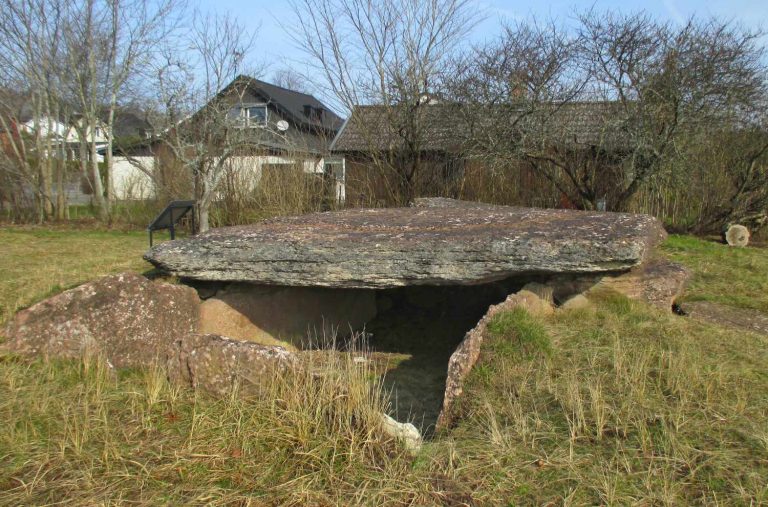
Kung Björns grav (English: King Björn’s Grave, also known as Kung Björns hög or Gläshall) is located in a suburb of Falköping in Västergötland, Sweden.

Kung Björns grav

Kung Björns grav

Kung Björns grav (English: King Björn’s Grave, also known as Kung Björns hög or Gläshall) is located in a suburb of Falköping in Västergötland, Sweden.

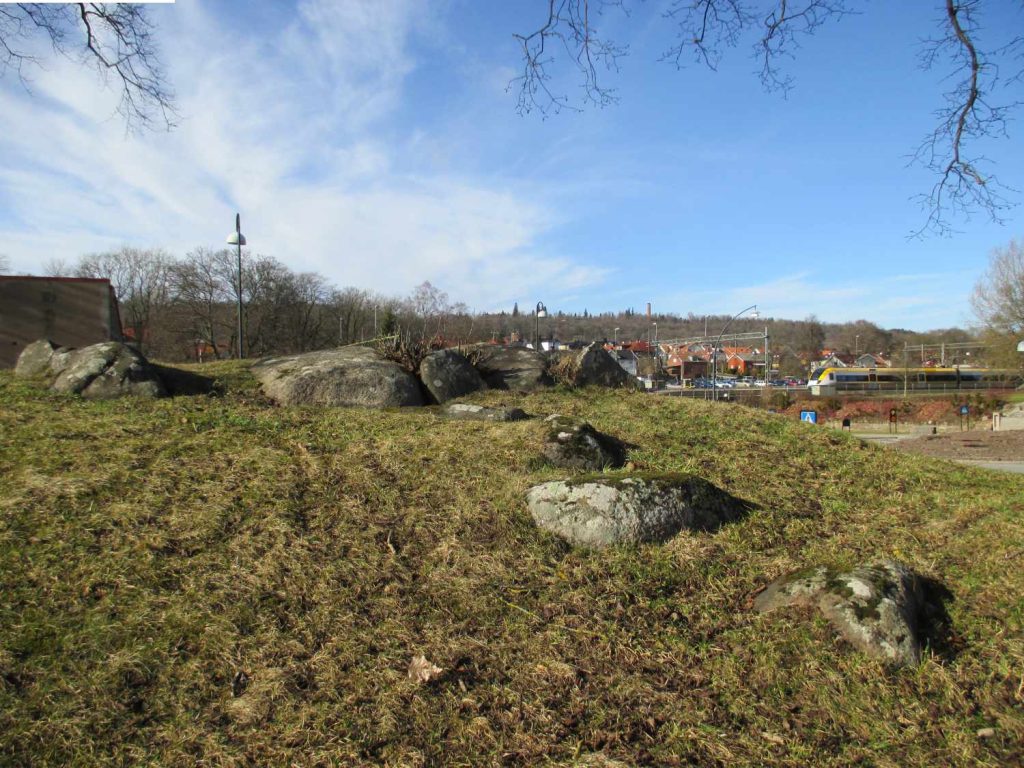
Kung Björns grav (English: King Björn’s Grave, also known as Kung Björns hög or Gläshall; RAÄ No. Falköping 18:1) is located on the west side of the railway line, between Danska Vägen and Erik Dahlbergsgatan, in a suburb of Falköping in Västergötland, Sweden.

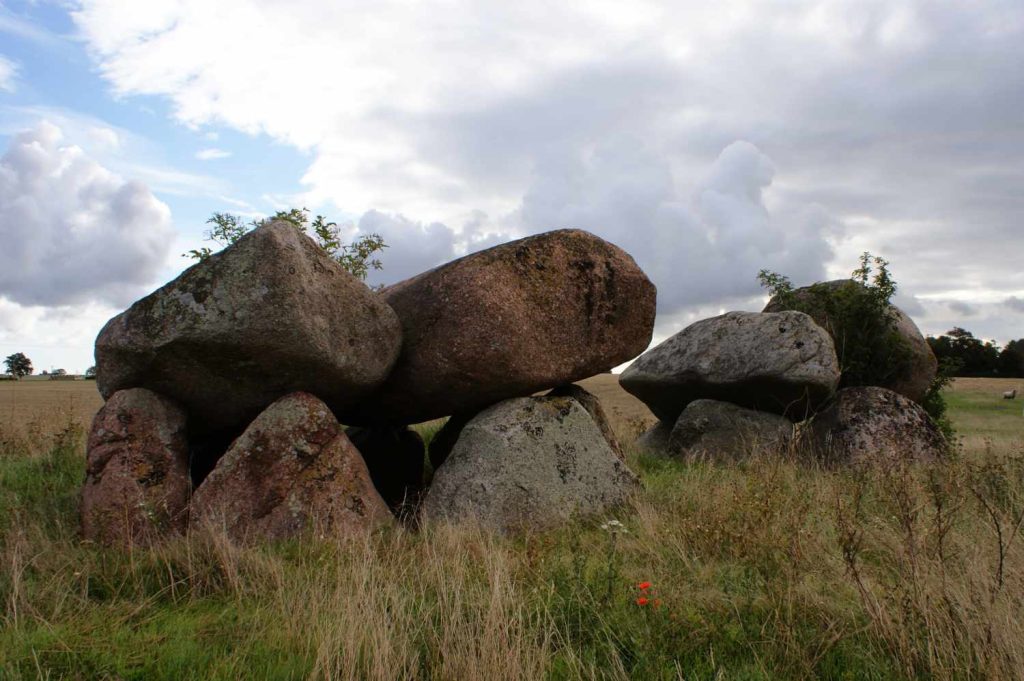
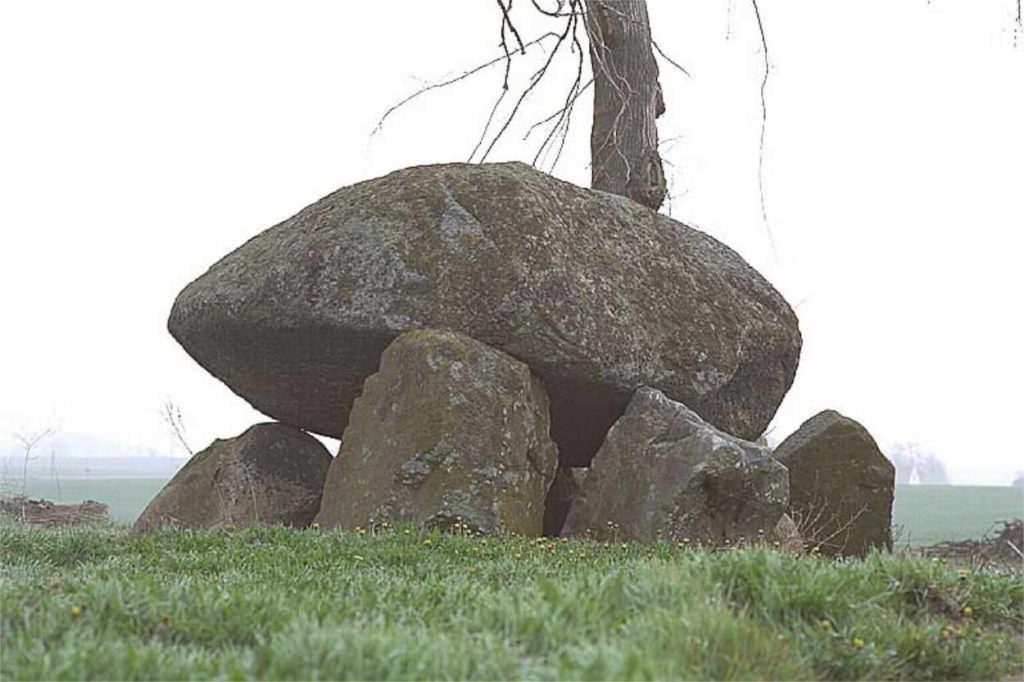
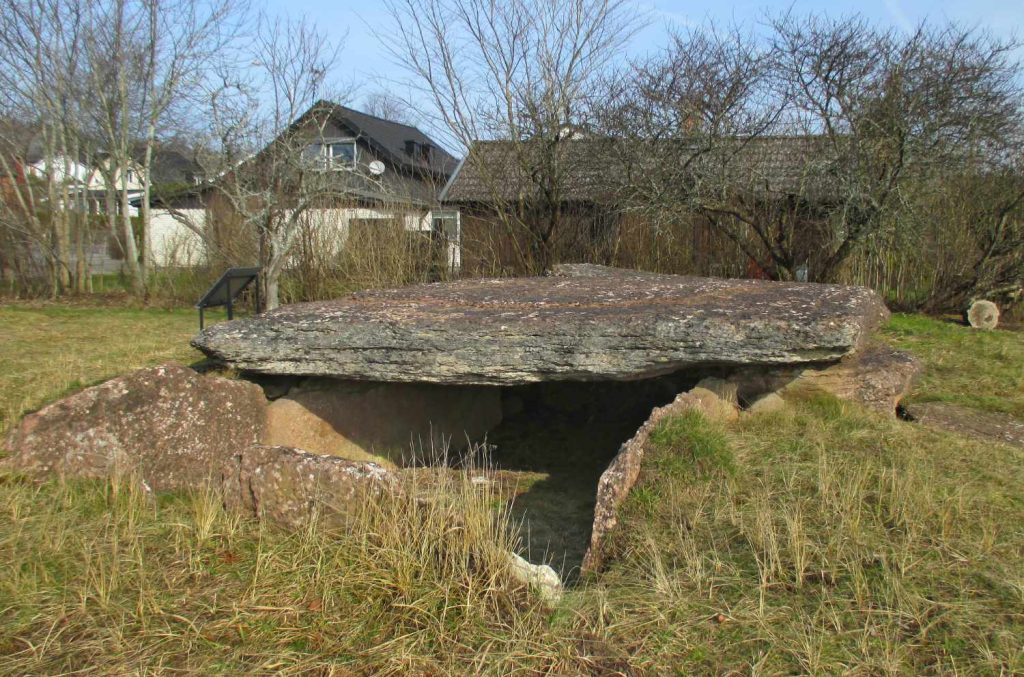
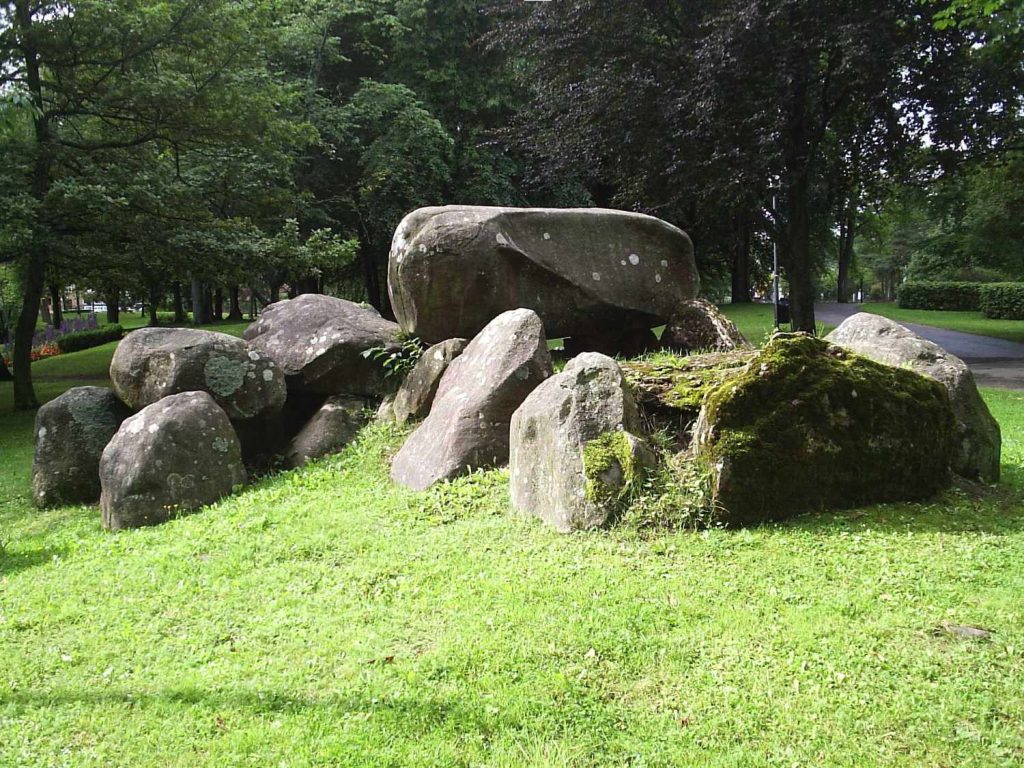
The passage grave is a type of construction from the late Neolithic period, dating approximately between 3500 and 2800 BCE, consisting of a chamber and a structurally separated, lateral passage. This form is primarily found in Denmark, Germany, and Scandinavia, with occasional occurrences in France and the Netherlands.

Formerly known as Gläshall, the passage grave was renamed in the 18th century. The stones of this megalithic structure from the Funnel beaker culture are made of limestone, which is unusual. The stones of the passage are no longer present. The passage grave has a mound approximately 20 meters in diameter and a remaining height of 0.6 meters. The trapezoidal chamber is 10.5 meters long, varying in width between 2.9 and 2.1 meters. The main capstone measures 4.9 × 4.4 meters and is unparalleled in the North Circle of the Funnel beaker culture.
Share
58.170787, 13.539562
58.170787, 13.539562

Kung Björns grav (English: King Björn’s Grave, also known as Kung Björns hög or Gläshall; RAÄ No. Falköping 18:1) is located on the west side of the railway line, between Danska Vägen and Erik Dahlbergsgatan, in a suburb of Falköping in Västergötland, Sweden.

The passage grave is a type of construction from the late Neolithic period, dating approximately between 3500 and 2800 BCE, consisting of a chamber and a structurally separated, lateral passage. This form is primarily found in Denmark, Germany, and Scandinavia, with occasional occurrences in France and the Netherlands.

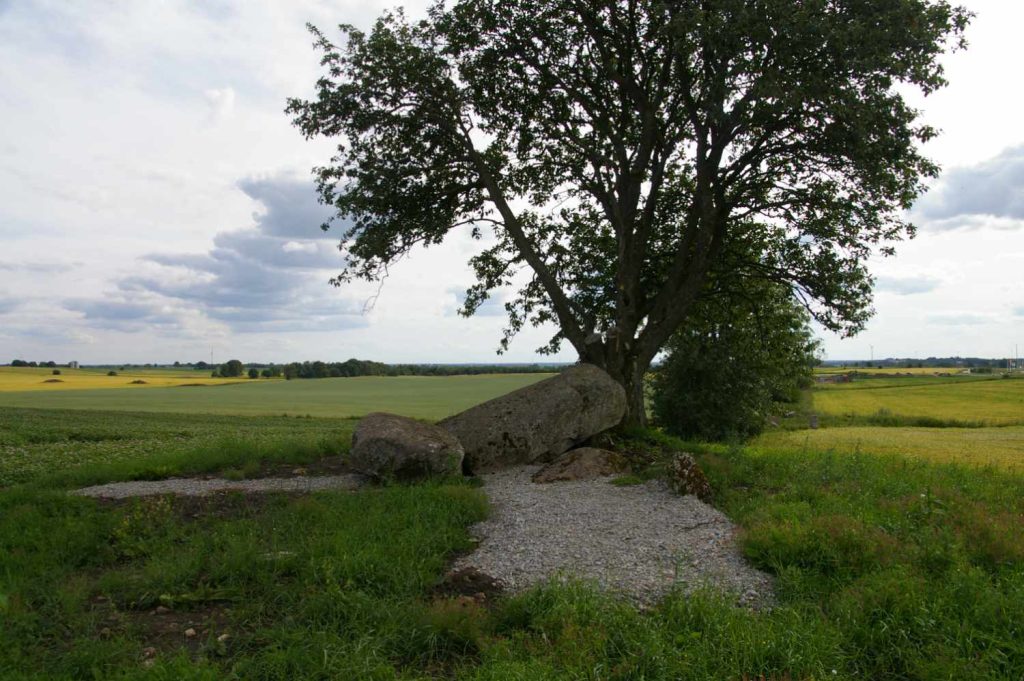
Formerly known as Gläshall, the passage grave was renamed in the 18th century. The stones of this megalithic structure from the Funnel beaker culture are made of limestone, which is unusual. The stones of the passage are no longer present. The passage grave has a mound approximately 20 meters in diameter and a remaining height of 0.6 meters. The trapezoidal chamber is 10.5 meters long, varying in width between 2.9 and 2.1 meters. The main capstone measures 4.9 × 4.4 meters and is unparalleled in the North Circle of the Funnel beaker culture.
Publishing

Share

Other places in Sweden

Lusthushögen
Posted 1 year ago
Firse Sten
Posted 1 year ago
Bestorpsdösen
Posted 1 year ago
Snarringe
Posted 1 year ago
Jarlsdösen
Posted 2 years ago