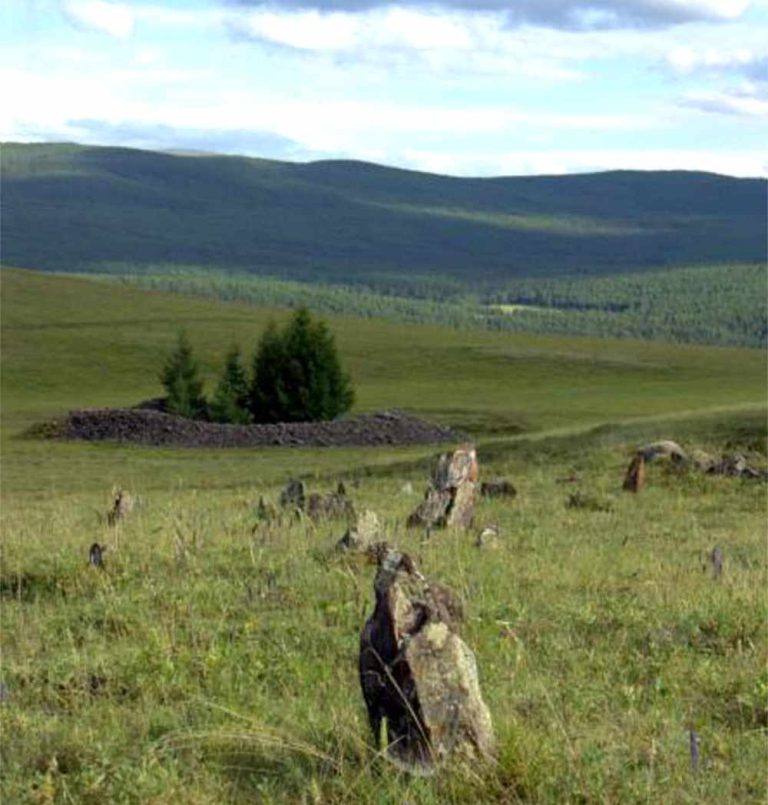
The Pazyryk burials refer to a series of ancient Scythian burial sites discovered in the Altai Mountains of Siberia, Russia. These burial grounds date back to the Iron Age, specifically from around the 5th to the 3rd centuries BCE. They are named after the Pazyryk Valley, where the first significant discoveries were made.
The Pazyryk burials are renowned for their remarkable preservation due to the permafrost conditions in which they were found. The permafrost helped to freeze and thus protect the organic materials buried with the deceased, providing invaluable insights into the lives and cultures of the ancient peoples who inhabited the region.
Some key features and findings of the Pazyryk burials include:
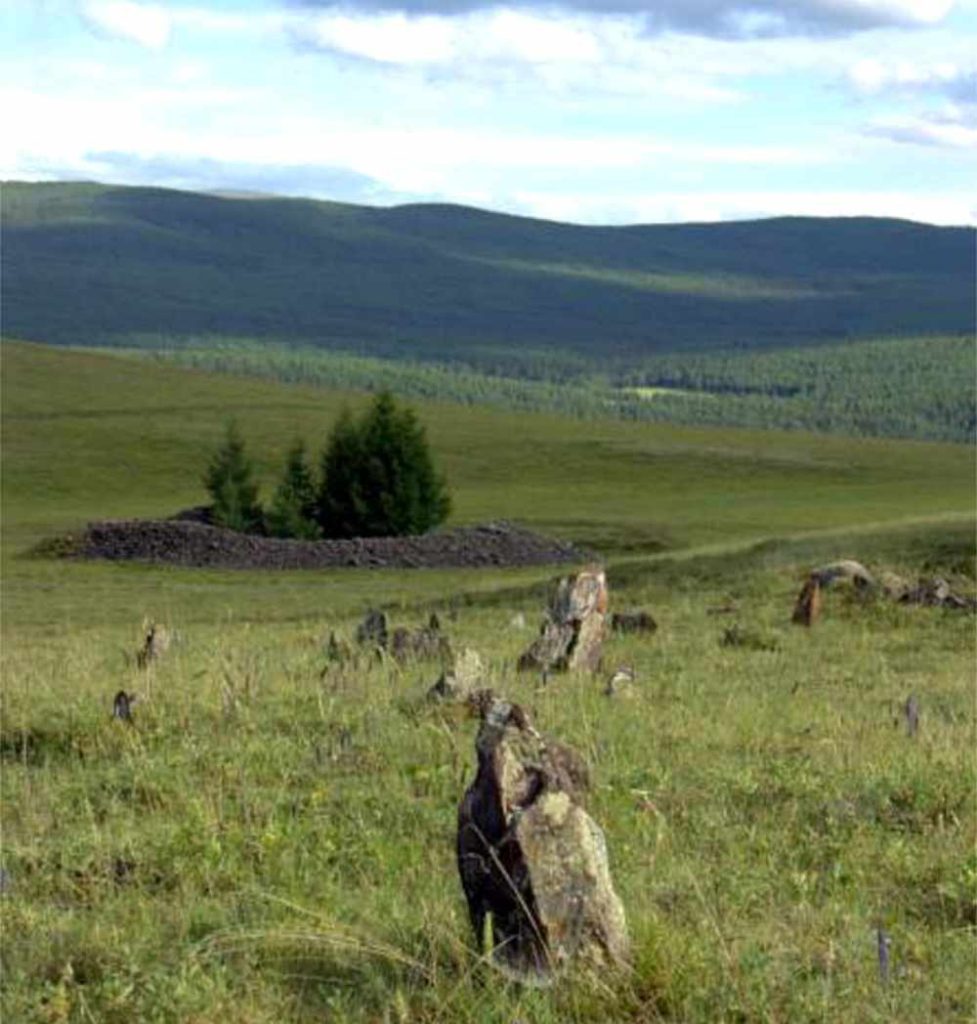
- Burial Mounds (Kurgans): The Pazyryk burials are typically found in large burial mounds or kurgans. These mounds could be quite elaborate, indicating the social status and importance of the individuals buried within them.
- Mummified Bodies: One of the most striking aspects of the Pazyryk burials is the discovery of mummified human remains. These mummies are often well-preserved due to the freezing conditions, with some even exhibiting elaborate tattoos on their skin.
- Artifacts and Grave Goods: The burial sites contained a wealth of artifacts and grave goods, including intricately crafted jewelry, weapons, tools, clothing, and even food items. These objects provide insights into the material culture, craftsmanship, and trade networks of the Pazyryk people.
- Animal Sacrifices: Some burial sites also include the remains of sacrificed animals, such as horses and dogs, suggesting the importance of animal companionship and possibly religious or ritual practices.
- Nomadic Lifestyle: The Pazyryk burials are associated with nomadic peoples who inhabited the Eurasian steppes during the Iron Age. They practiced pastoralism, herding livestock such as horses, sheep, and goats, and they likely moved seasonally in search of grazing land.
- Cultural and Religious Significance: The artifacts and symbols found in the Pazyryk burials indicate a rich and complex belief system, with influences from various cultures and religions, including Scythian, Persian, and Siberian shamanistic traditions.