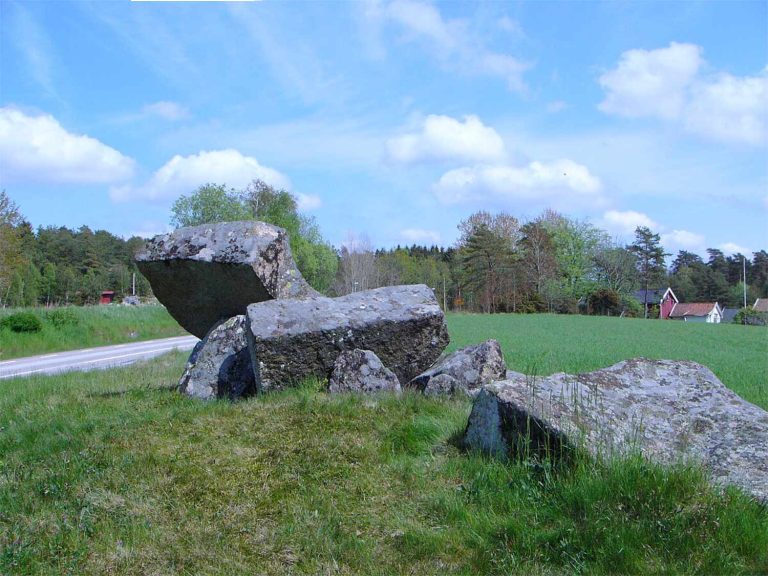
Säm portal tomb

Säm portal tomb

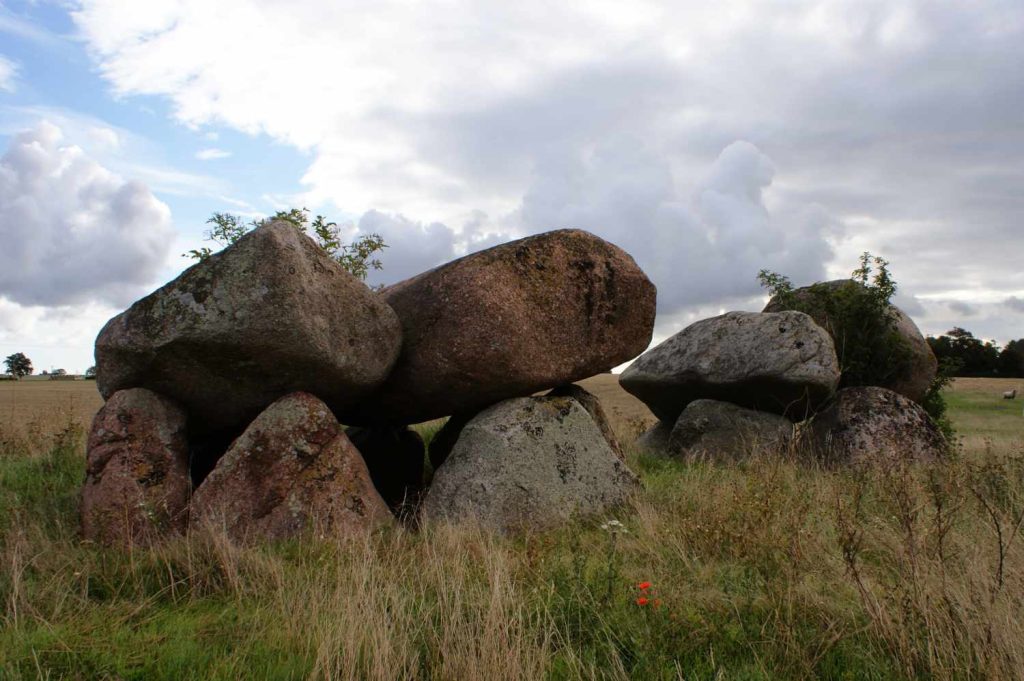
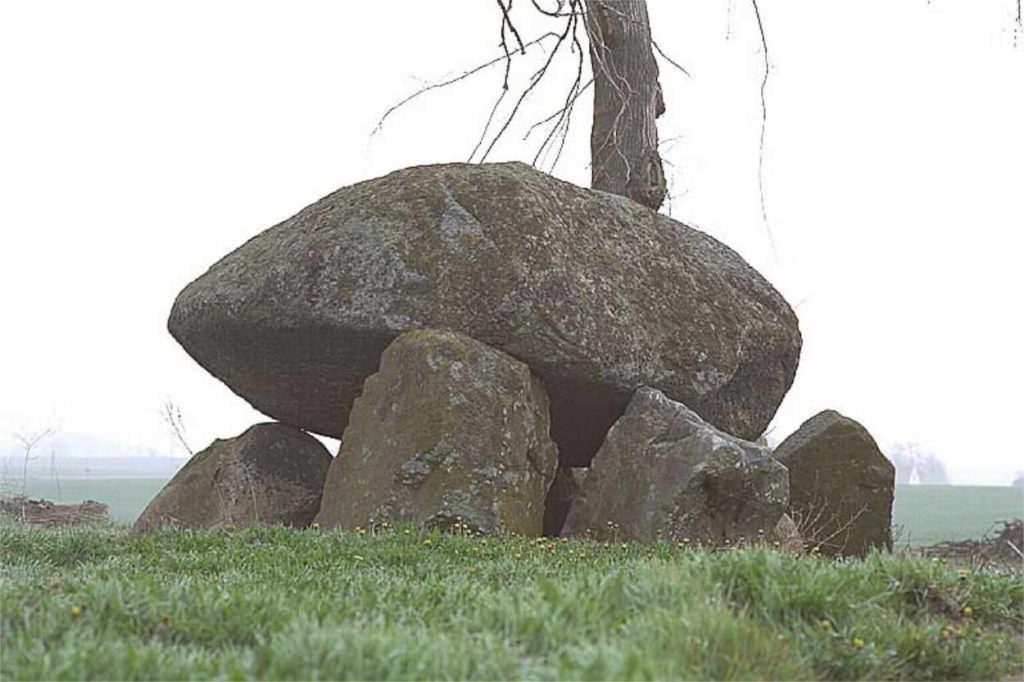
The Säm portal tomb (also known as Ludesten) is located east of Tanums Station near Route 163, west of Tanumshede in Bohuslän, Sweden.

Säm portal tomb

Säm portal tomb

The Säm portal tomb (also known as Ludesten) is located east of Tanums Station near Route 163, west of Tanumshede in Bohuslän, Sweden.

The Säm portal tomb (also known as Ludesten) is located east of Tanums Station near Route 163, west of Tanumshede in Bohuslän, Sweden.

It was constructed around 5000 years ago during the Neolithic period by the practitioners of the Funnel beaker culture. The passage grave is a type of Neolithic megalithic structure characterized by a chamber and a structurally separated lateral passage. This form is primarily found in Denmark, Germany, Scandinavia, and occasionally in France and the Netherlands. At the time of its construction, the land was approximately 20 meters lower than it is today.

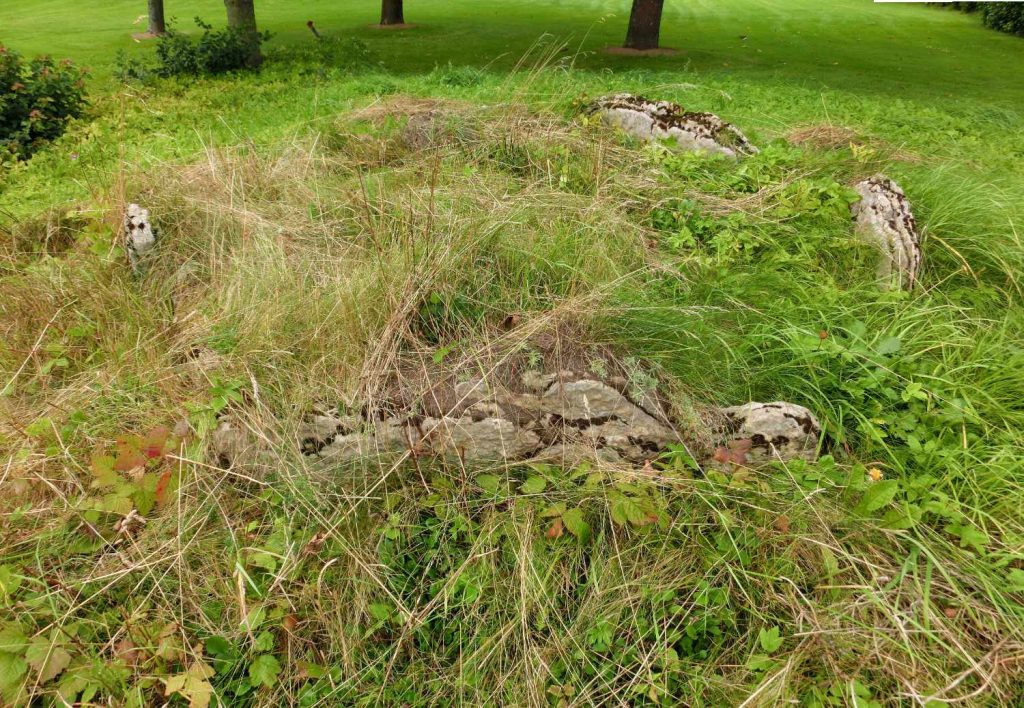
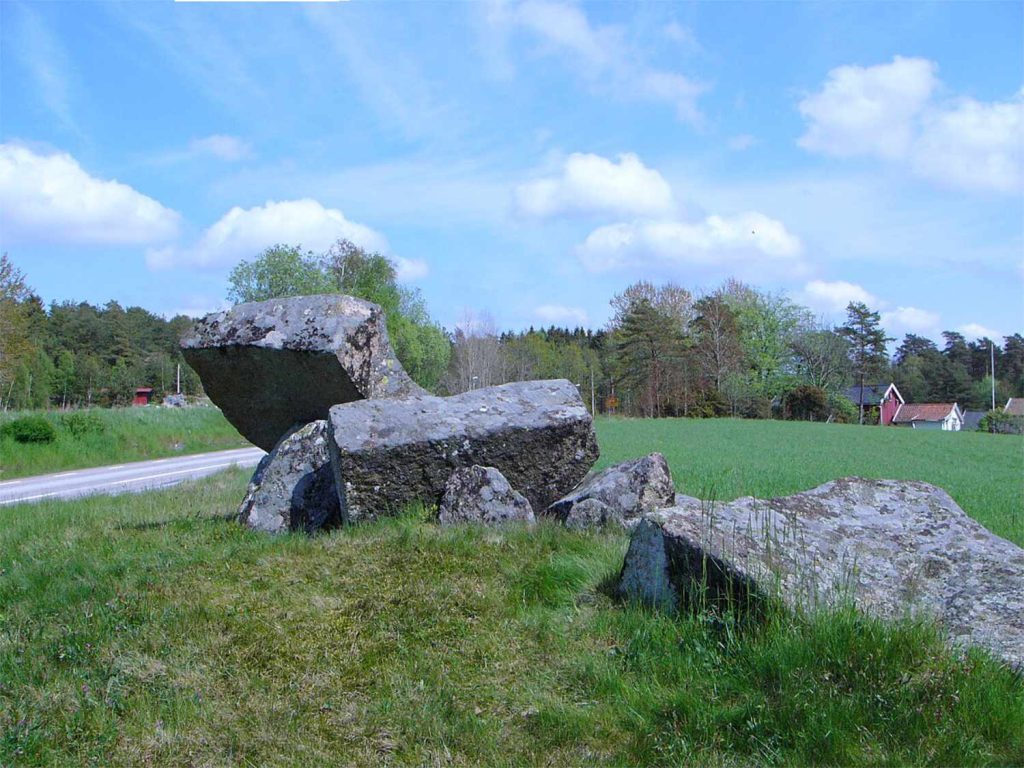
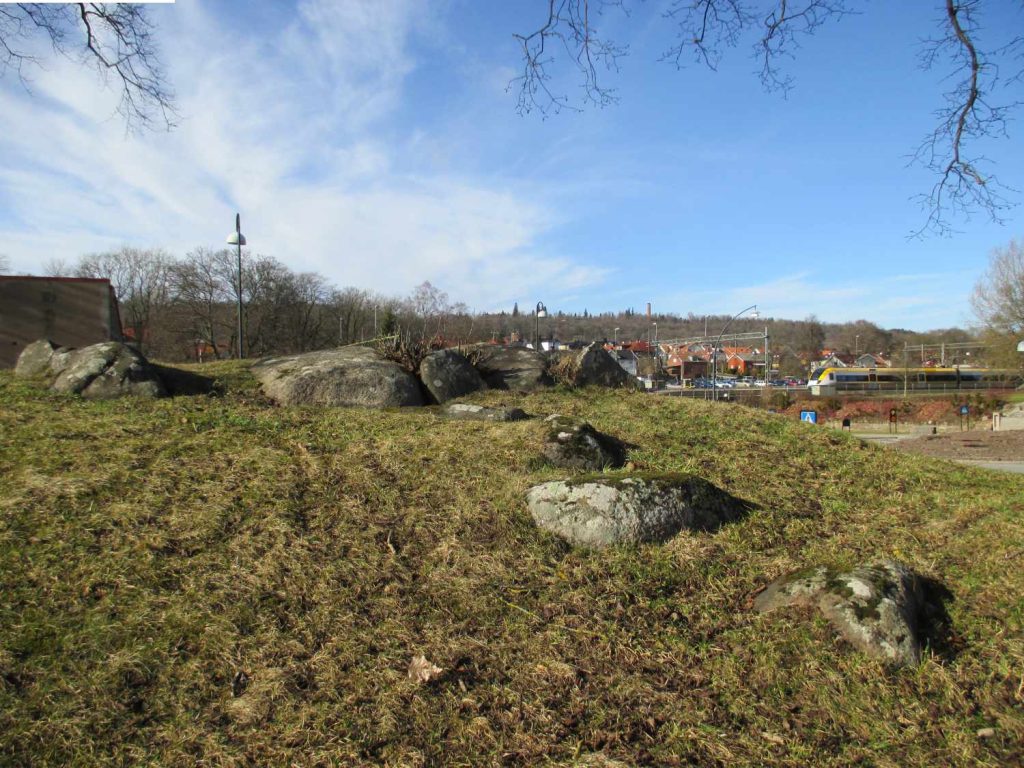
The site is heavily damaged, making it challenging to discern specific details. The capstone is broken into three pieces, with one piece fallen between the supporting stones. On the capstone fragments and other stones near the grave, there are approximately 80 cup marks and some grooves. It is impossible to determine whether these depressions were created while the tomb was still in use or during the Bronze Age.
Share
58.72077, 11.302456
58.72077, 11.302456

The Säm portal tomb (also known as Ludesten) is located east of Tanums Station near Route 163, west of Tanumshede in Bohuslän, Sweden.

It was constructed around 5000 years ago during the Neolithic period by the practitioners of the Funnel beaker culture. The passage grave is a type of Neolithic megalithic structure characterized by a chamber and a structurally separated lateral passage. This form is primarily found in Denmark, Germany, Scandinavia, and occasionally in France and the Netherlands. At the time of its construction, the land was approximately 20 meters lower than it is today.

The site is heavily damaged, making it challenging to discern specific details. The capstone is broken into three pieces, with one piece fallen between the supporting stones. On the capstone fragments and other stones near the grave, there are approximately 80 cup marks and some grooves. It is impossible to determine whether these depressions were created while the tomb was still in use or during the Bronze Age.
Publishing

Share

Other places in Sweden

Lusthushögen
Posted 1 year ago
Firse Sten
Posted 1 year ago
Bestorpsdösen
Posted 1 year ago
Snarringe
Posted 1 year ago
Jarlsdösen
Posted 1 year ago