Santa Prisca Mithraeum

Beneath the Church of Santa Prisca on Rome’s Aventine Hill lies one of the most fascinating remnants of Roman religious life: the Santa Prisca Mithraeum.

Santa Prisca Mithraeum

Beneath the Church of Santa Prisca on Rome’s Aventine Hill lies one of the most fascinating remnants of Roman religious life: the Santa Prisca Mithraeum.

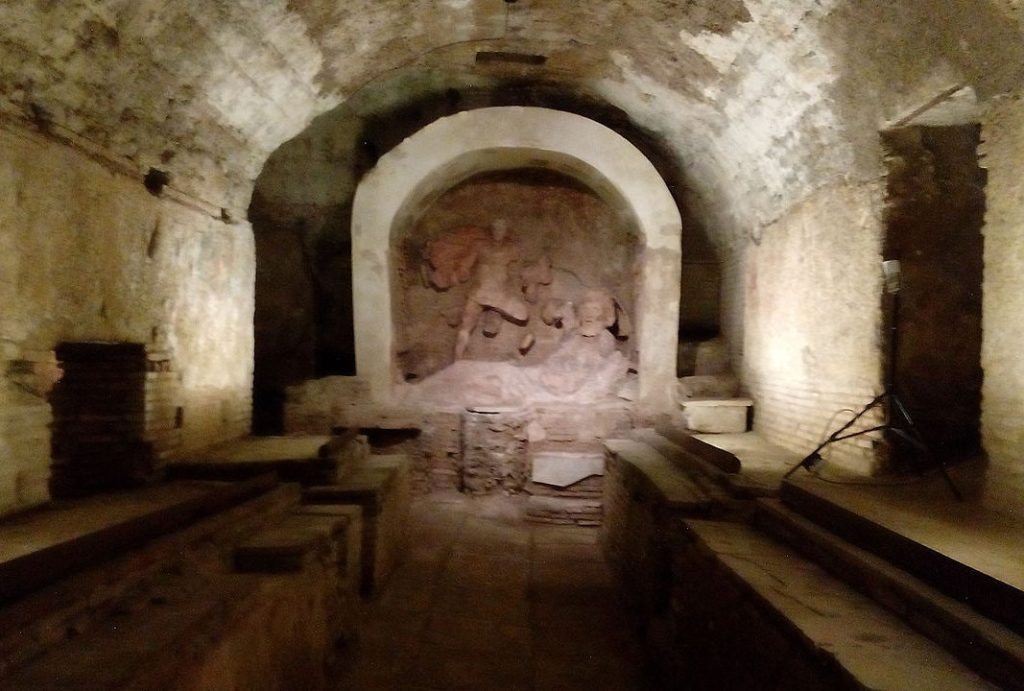
Nestled beneath the Church of Santa Prisca on Rome’s Aventine Hill lies one of the most fascinating remnants of Roman religious life: the Santa Prisca Mithraeum. This underground sanctuary was dedicated to the god Mithras, a central figure in a mystery religion that thrived in the Roman Empire between the 1st and 4th centuries CE.

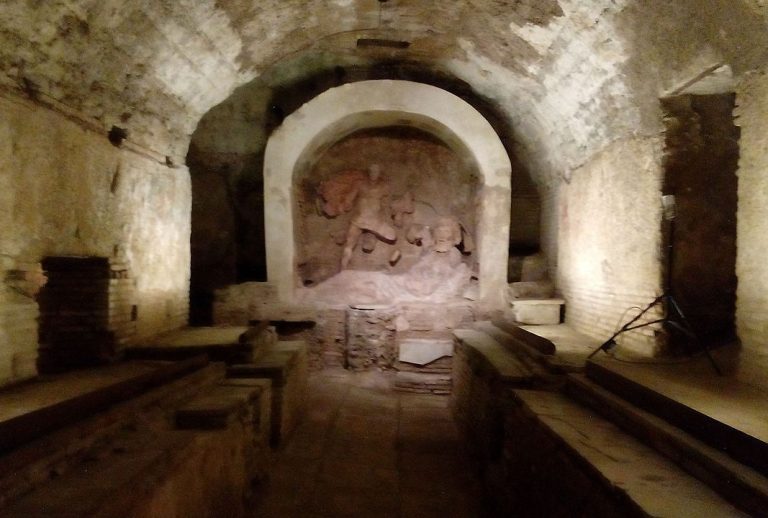
Discovered in the 1930s and excavated in the 1950s, the Santa Prisca Mithraeum is notable not only for its architectural features but also for its vivid frescoes. These murals offer rare and detailed insights into the Mithraic rituals and beliefs, which were typically kept secret from outsiders. Among the most striking images is the tauroctony, a depiction of Mithras slaying a bull—a central icon of the faith symbolizing the cycle of life, death, and rebirth.

Unlike many other Mithraea, the Santa Prisca site contains inscriptions and paintings that mention initiatory grades and rituals, suggesting the presence of a well-organized community of worshippers. The sanctuary likely served a group of Roman soldiers or imperial administrators, as Mithraism was particularly popular among the military.

What makes the Santa Prisca Mithraeum especially compelling is its transformation over time. By the late 4th century, the cult fell out of favor as Christianity gained dominance in the empire. Eventually, the Mithraeum was abandoned and later built over by the Christian church, reflecting the broader religious shift occurring across Rome.
Type of paganism

Type of place

Tags

References

image: "Santa Prisca Mithraeum" by Desyman is licensed under CC BY-SA 4.0. Retrieved from https://openverse.org/image/52b16a48-6062-46a0-9ebf-893b0f298a56

Share
Mitreo di Santa Prisca, Via di Santa Prisca, 8, 00153 Roma RM, Italy
41.8828068, 12.4812306

Nestled beneath the Church of Santa Prisca on Rome’s Aventine Hill lies one of the most fascinating remnants of Roman religious life: the Santa Prisca Mithraeum. This underground sanctuary was dedicated to the god Mithras, a central figure in a mystery religion that thrived in the Roman Empire between the 1st and 4th centuries CE.

Discovered in the 1930s and excavated in the 1950s, the Santa Prisca Mithraeum is notable not only for its architectural features but also for its vivid frescoes. These murals offer rare and detailed insights into the Mithraic rituals and beliefs, which were typically kept secret from outsiders. Among the most striking images is the tauroctony, a depiction of Mithras slaying a bull—a central icon of the faith symbolizing the cycle of life, death, and rebirth.

Unlike many other Mithraea, the Santa Prisca site contains inscriptions and paintings that mention initiatory grades and rituals, suggesting the presence of a well-organized community of worshippers. The sanctuary likely served a group of Roman soldiers or imperial administrators, as Mithraism was particularly popular among the military.

What makes the Santa Prisca Mithraeum especially compelling is its transformation over time. By the late 4th century, the cult fell out of favor as Christianity gained dominance in the empire. Eventually, the Mithraeum was abandoned and later built over by the Christian church, reflecting the broader religious shift occurring across Rome.
Publishing

References

image: "Santa Prisca Mithraeum" by Desyman is licensed under CC BY-SA 4.0. Retrieved from https://openverse.org/image/52b16a48-6062-46a0-9ebf-893b0f298a56

Share

Other places in Italy