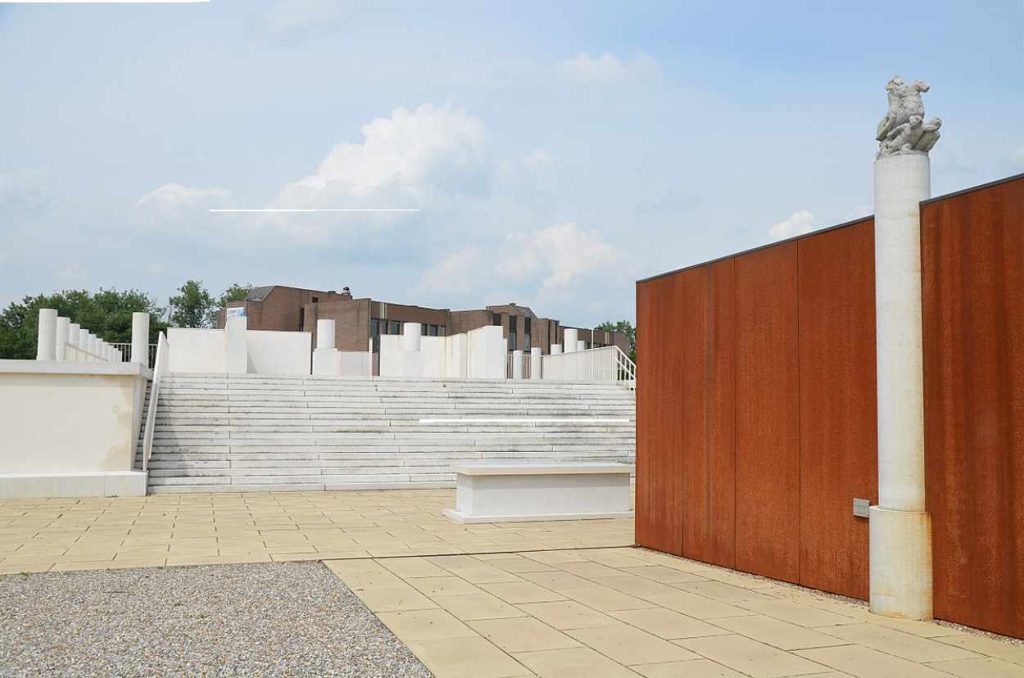
The Gallische Hoeve in Destelbergen near Ghent (East Flanders – Belgium) is a scientifically sound reconstruction of a rural settlement from the Late Iron Age / early Gallo-Roman period. It is currently a unique project in Flanders. Three buildings have already been realized, namely a farm, a small granary with a raised floor (spieker) and a weaving workshop. You can also find a pottery kiln and a salt kiln in the craft zone. A partial reconstruction of a Celtic shrine to scale is also provided. there are also fields that are designed according to the Celtic Fields system and the flora on the site is as native as possible.
De Gallische Hoeve is concerned with reviving the Gallic period through experimental archeology, without losing sight of the educational aspect. For this purpose, several working groups have been set up to reflect different aspects of Gallic society, the warriors as well as the crafts and the natural environment. (Taken from the official website and translated to english with small attachments)
Gallische hoeve
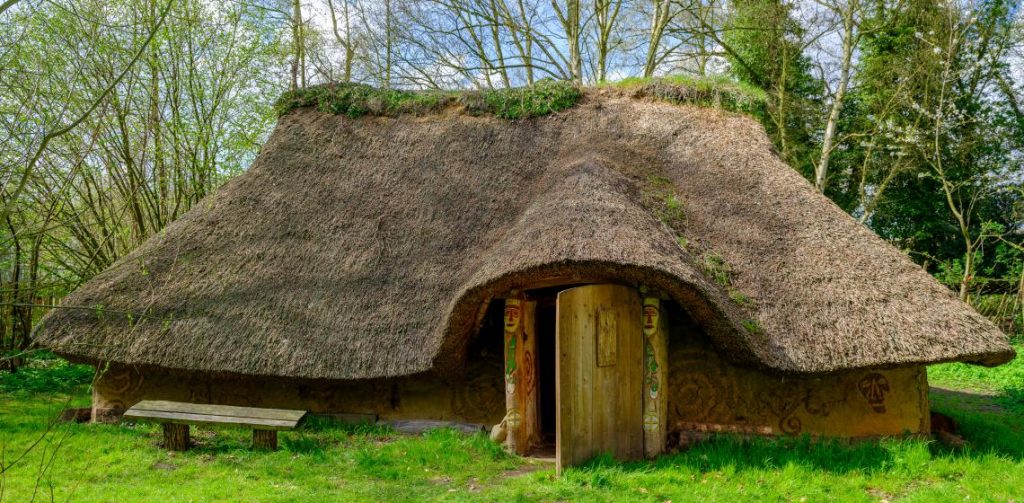
The Gallische hoeve is a reconstruction of a late iron age rural/farming settlement with various buildings in East Flanders,Belgium.
Gallische hoeve
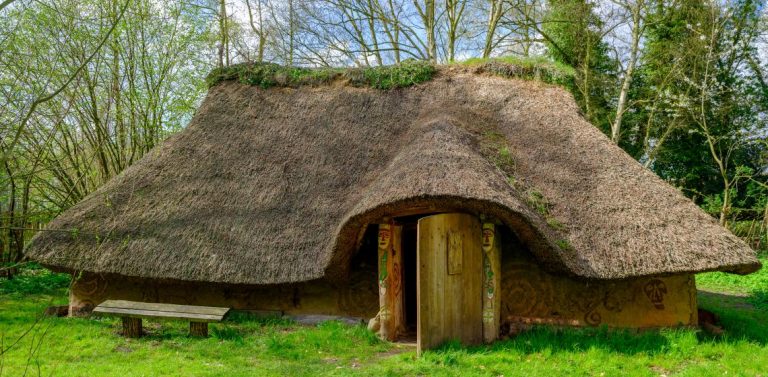
The Gallische hoeve is a reconstruction of a late iron age rural/farming settlement with various buildings in East Flanders,Belgium.
Type of paganism
Type of place
Tags


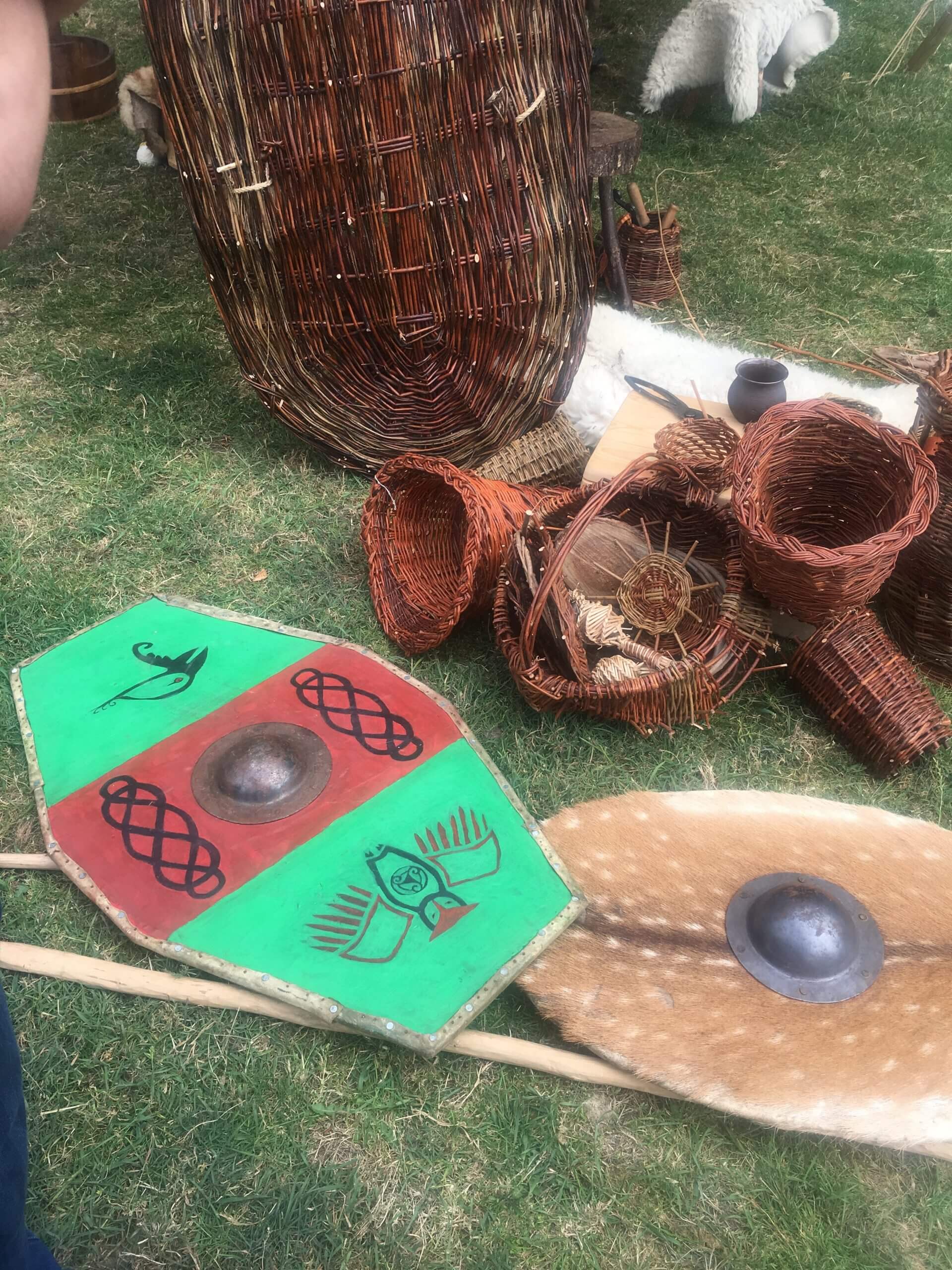


The Gallische Hoeve in Destelbergen near Ghent (East Flanders – Belgium) is a scientifically sound reconstruction of a rural settlement from the Late Iron Age / early Gallo-Roman period. It is currently a unique project in Flanders. Three buildings have already been realized, namely a farm, a small granary with a raised floor (spieker) and a weaving workshop. You can also find a pottery kiln and a salt kiln in the craft zone. A partial reconstruction of a Celtic shrine to scale is also provided. there are also fields that are designed according to the Celtic Fields system and the flora on the site is as native as possible.
De Gallische Hoeve is concerned with reviving the Gallic period through experimental archeology, without losing sight of the educational aspect. For this purpose, several working groups have been set up to reflect different aspects of Gallic society, the warriors as well as the crafts and the natural environment. (Taken from the official website and translated to english with small attachments)
Publishing
Other places in Belgium