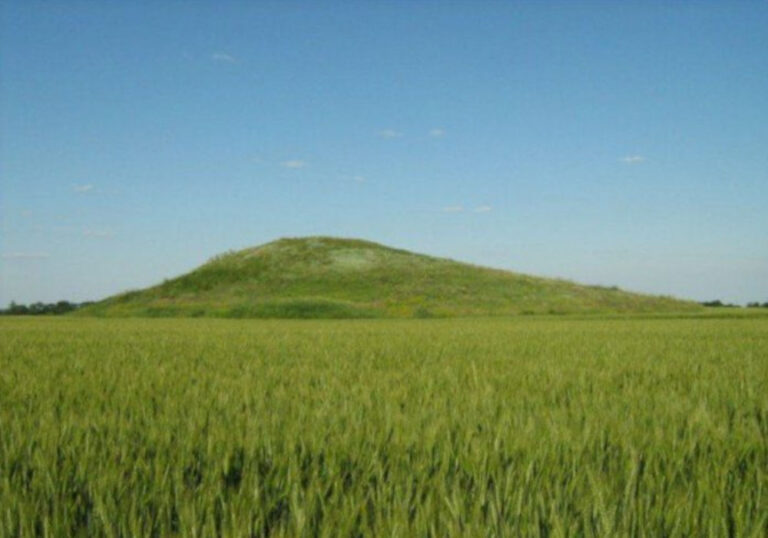
Tovsta Mohyla burial mound

Tovsta Mohyla burial mound

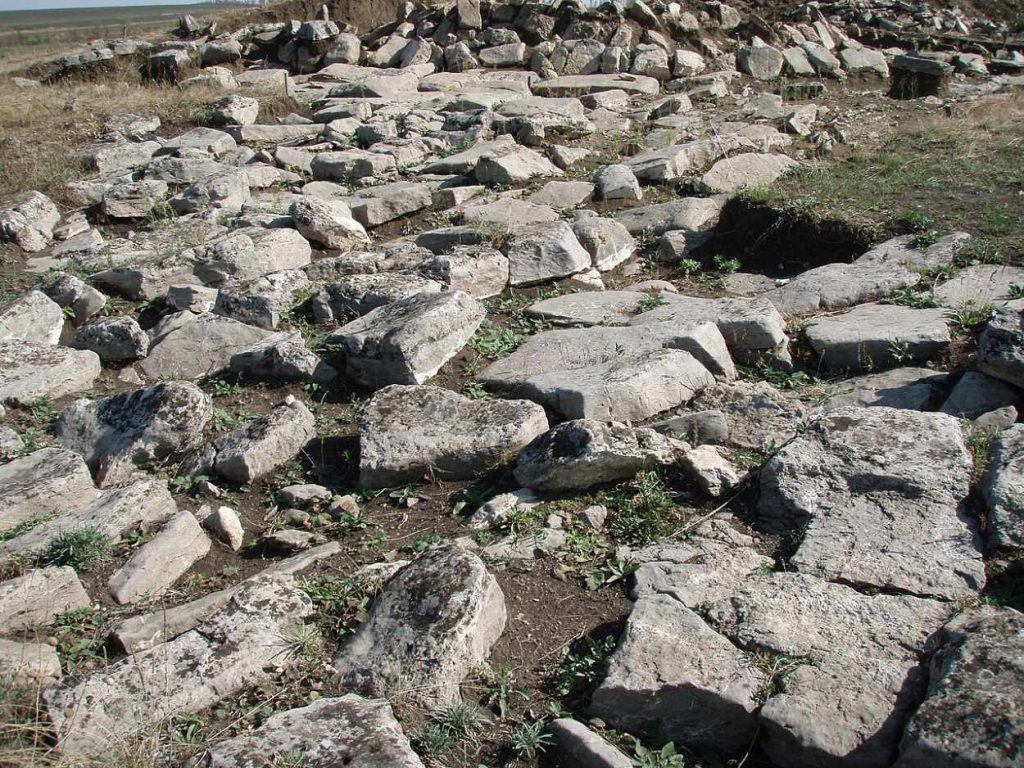
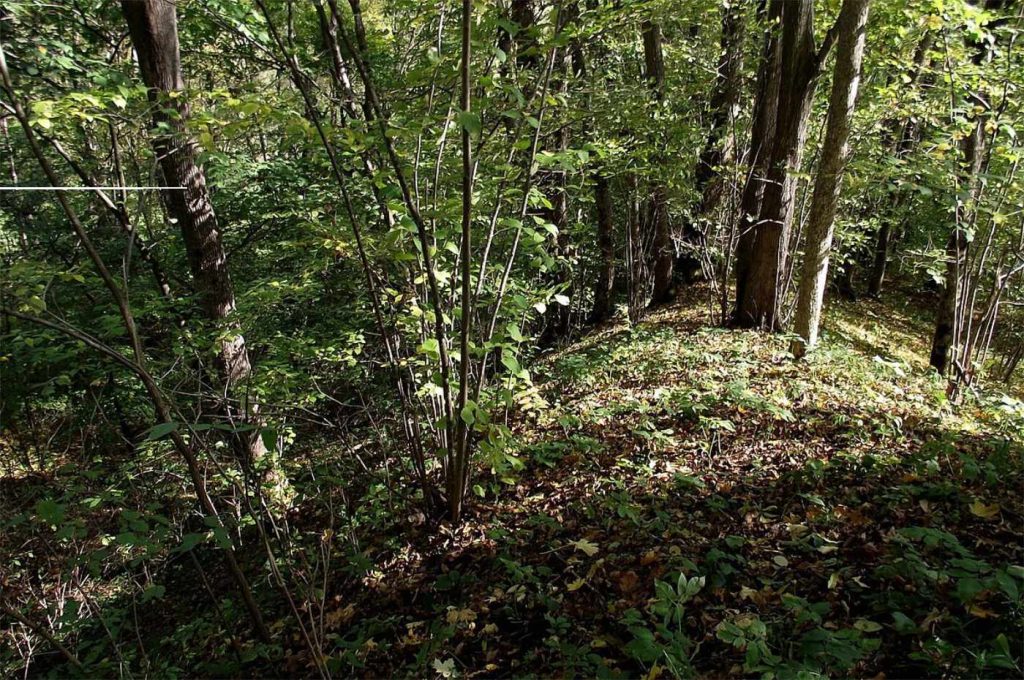
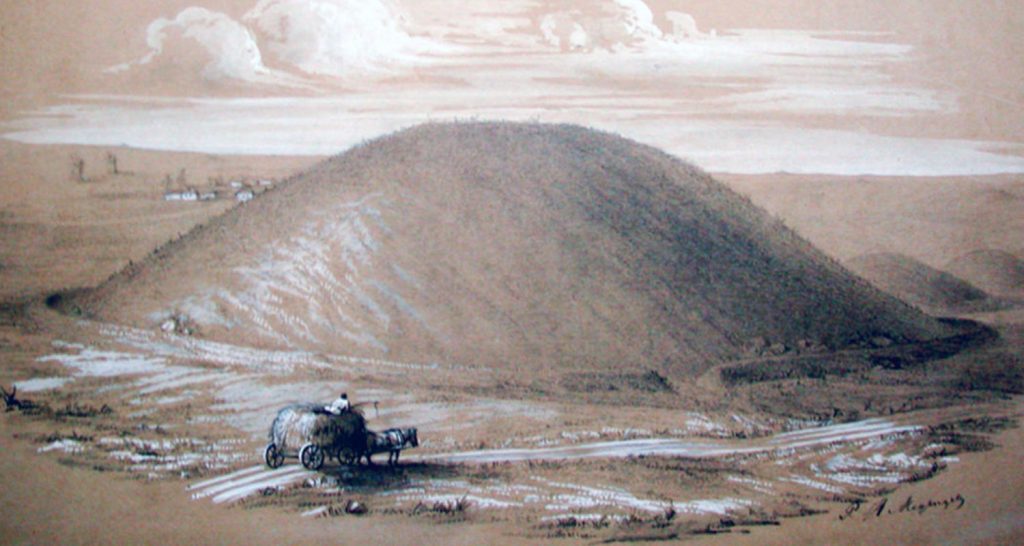
Tovsta Mohyla burial mound is a Scythian burial mound dating back to the fourth century BCE.

Tovsta Mohyla burial mound

Tovsta Mohyla burial mound

Tovsta Mohyla burial mound is a Scythian burial mound dating back to the fourth century BCE.

Tovsta Mohyla (Товста Могила), translating to “Thick Grave” in Ukrainian, is a significant archaeological site housing a Scythian burial mound from the 4th century BCE. Situated near Pokrov in Ukraine, it offers a fascinating glimpse into ancient Scythian culture.

Excavations at the site commenced in 1971, revealing a mound that once towered up to 21 meters high. Within, archaeologists unearthed two burial chambers belonging to Scythian nobles. While one chamber had been looted over time, the other remained remarkably intact. Intriguingly, adjacent to the burial entrances, archaeologists discovered disassembled wheels of funeral chariots, alongside a trove of bronze ornaments from the procession.

The central chamber yielded the remains of a Scythian noble, while the intact side chamber contained five skeletons, including another noble and a child. Alongside them were interred six horses and four servants, indicative of the elaborate burial customs of the Scythians. The artifacts uncovered, ranging from gold ornaments to other relics, hint at possible cultural influences from regions as diverse as Iran, Assyria-Babylonia, India, Greece, and China.

A standout discovery was a remarkable golden pectoral, 30.6 cm in diameter and weighing 1150 g, adorned with scenes depicting Scythian daily life and animal motifs. Found alongside an iron sword in a gold-adorned sheath, it showcased sophisticated manufacturing techniques, including casting, embossing, engraving, filigree work, and enameling. Crafted by Greek artisans on commission for the Scythian nobility, it’s believed to have been a diplomatic gift, possibly originating from Athens or Pantikapaion.

Tovsta Mohyla burial mound
Golden pectoral found at Tovsta Mohyla

Among the noble’s treasures were a large cast grivna adorned with lion figures, temple pendants depicting a seated goddess, bracelets, and rings. Similar, albeit simpler, decorations were uncovered in the child’s grave.

The positioning of these gold ornaments provided insights into the attire of the time, including various headdresses and shoes for women. Impressively, numerous embroideries for attaching decorated gold plates have been preserved, offering valuable clues about Scythian fashion. These ranged from diadems to tightly fitting caps to elaborate kalathos-shaped head coverings, highlighting the rich tapestry of Scythian cultural practices.
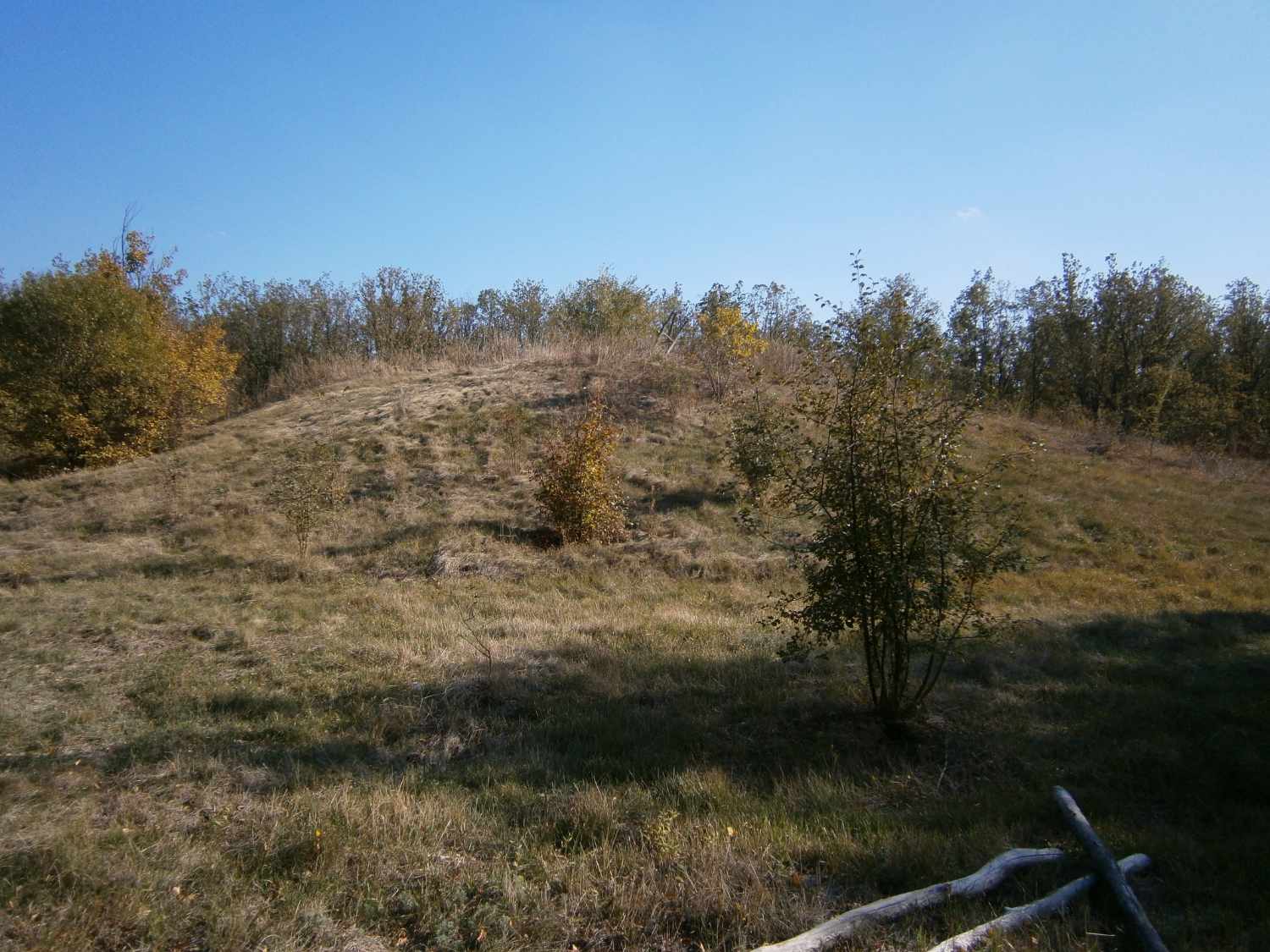
м. Покров 53300, Дніпропетровська обл., Україна
47.6536072, 33.9206313
Share
м. Покров 53300, Дніпропетровська обл., Україна
47.6536072, 33.9206313

Tovsta Mohyla (Товста Могила), translating to “Thick Grave” in Ukrainian, is a significant archaeological site housing a Scythian burial mound from the 4th century BCE. Situated near Pokrov in Ukraine, it offers a fascinating glimpse into ancient Scythian culture.

Excavations at the site commenced in 1971, revealing a mound that once towered up to 21 meters high. Within, archaeologists unearthed two burial chambers belonging to Scythian nobles. While one chamber had been looted over time, the other remained remarkably intact. Intriguingly, adjacent to the burial entrances, archaeologists discovered disassembled wheels of funeral chariots, alongside a trove of bronze ornaments from the procession.

The central chamber yielded the remains of a Scythian noble, while the intact side chamber contained five skeletons, including another noble and a child. Alongside them were interred six horses and four servants, indicative of the elaborate burial customs of the Scythians. The artifacts uncovered, ranging from gold ornaments to other relics, hint at possible cultural influences from regions as diverse as Iran, Assyria-Babylonia, India, Greece, and China.

A standout discovery was a remarkable golden pectoral, 30.6 cm in diameter and weighing 1150 g, adorned with scenes depicting Scythian daily life and animal motifs. Found alongside an iron sword in a gold-adorned sheath, it showcased sophisticated manufacturing techniques, including casting, embossing, engraving, filigree work, and enameling. Crafted by Greek artisans on commission for the Scythian nobility, it’s believed to have been a diplomatic gift, possibly originating from Athens or Pantikapaion.

Tovsta Mohyla burial mound
Golden pectoral found at Tovsta Mohyla

Among the noble’s treasures were a large cast grivna adorned with lion figures, temple pendants depicting a seated goddess, bracelets, and rings. Similar, albeit simpler, decorations were uncovered in the child’s grave.

The positioning of these gold ornaments provided insights into the attire of the time, including various headdresses and shoes for women. Impressively, numerous embroideries for attaching decorated gold plates have been preserved, offering valuable clues about Scythian fashion. These ranged from diadems to tightly fitting caps to elaborate kalathos-shaped head coverings, highlighting the rich tapestry of Scythian cultural practices.
Publishing

Share

Other places in Ukraine

Lyta Moghila
Posted 2 years ago
babka hill fort
Posted 3 years ago
Merheleva Ridge
Posted 3 years ago
Berezan Runestone
Posted 3 years ago
Govda
Posted 3 years ago
Alexandropol kurgan
Posted 3 years ago