Illyrian Tombs of Selca e Poshtme

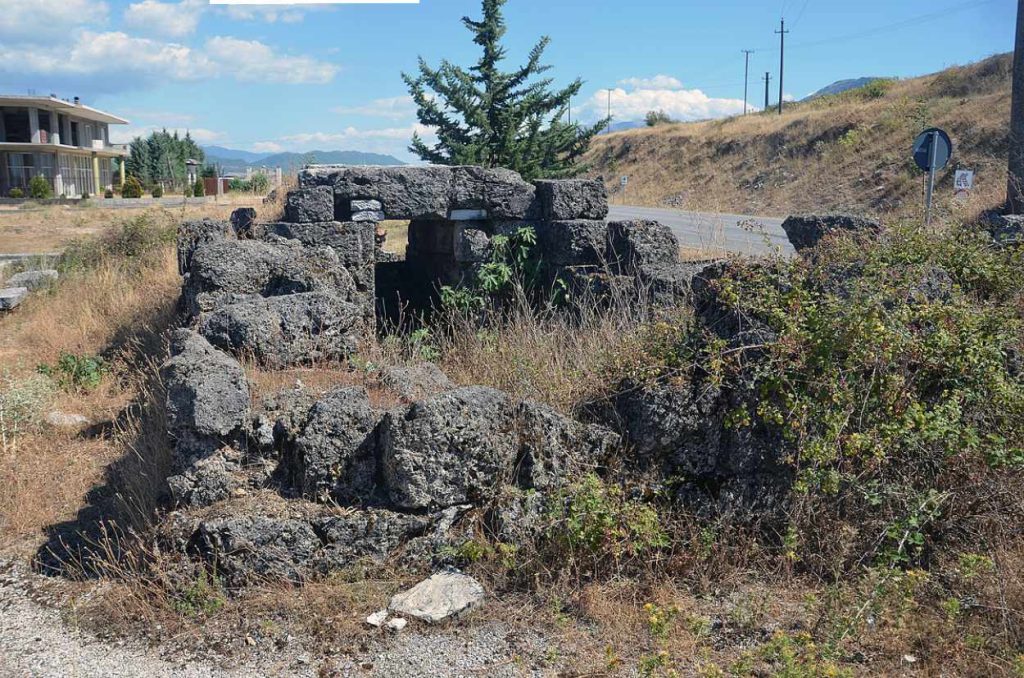
The Illyrian Tombs of Selca e Poshtme (in Albanian: Varret e Selcës së Poshtme) are situated near the town of Pogradec in Albania

Illyrian Tombs of Selca e Poshtme

The Illyrian Tombs of Selca e Poshtme (in Albanian: Varret e Selcës së Poshtme) are situated near the town of Pogradec in Albania

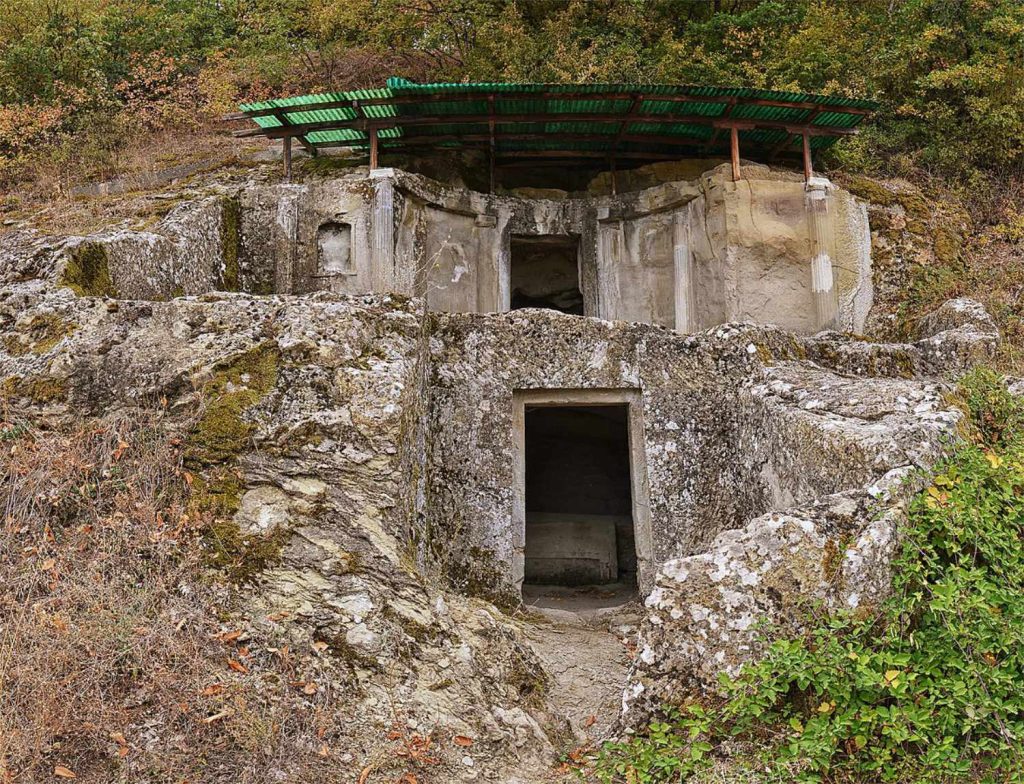
The Illyrian Tombs of Selca e Poshtme (in Albanian: Varret e Selcës së Poshtme) are situated near the town of Pogradec in Albania, close to the village of Selcë e Poshtme. Resting on the right bank of the Shkumbin River at an altitude of 1040 meters above sea level, these tombs house the remnants of the ancient city of Pelion, along with its accompanying necropolis. The Roman Via Egnatia passed by it on its way to Thessaloniki.

While evidence of human activity in Neolithic times exists, the actual settlement originated during the Iron Age (Illyrian proto-urban) and continued through the Illyrian urban period (5th to 2nd centuries BC). This city, which flourished during the later Iron Age under the Illyrian tribe of Enchele, was also occupied in the Roman period, evident from traces of a municipal building. From the 4th to the 1st centuries BC, the city served as the royal residence of Illyrian kings, making it a significant political and economic center.

Type of paganism

Type of place

Tags

References

Image via https://commons.wikimedia.org/wiki/File:Selca_e_Poshtme,_Albania_%E2%80%93_Monumental_antique_tombs_2018_05.jpg

Royal Tombs of Selca, Municipality of Pogradec, Mokër, Pogradec 7301, Albania
40.991111, 20.519167
Share
Royal Tombs of Selca, Municipality of Pogradec, Mokër, Pogradec 7301, Albania
40.991111, 20.519167

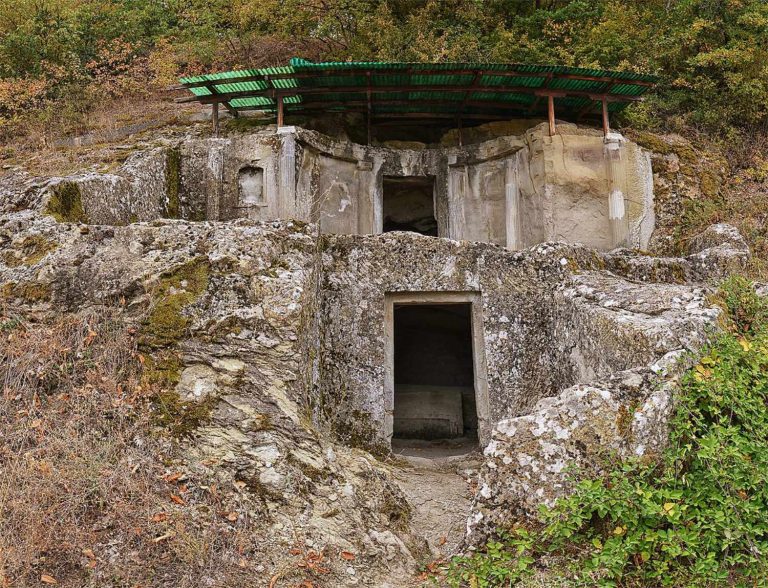
The Illyrian Tombs of Selca e Poshtme (in Albanian: Varret e Selcës së Poshtme) are situated near the town of Pogradec in Albania, close to the village of Selcë e Poshtme. Resting on the right bank of the Shkumbin River at an altitude of 1040 meters above sea level, these tombs house the remnants of the ancient city of Pelion, along with its accompanying necropolis. The Roman Via Egnatia passed by it on its way to Thessaloniki.

While evidence of human activity in Neolithic times exists, the actual settlement originated during the Iron Age (Illyrian proto-urban) and continued through the Illyrian urban period (5th to 2nd centuries BC). This city, which flourished during the later Iron Age under the Illyrian tribe of Enchele, was also occupied in the Roman period, evident from traces of a municipal building. From the 4th to the 1st centuries BC, the city served as the royal residence of Illyrian kings, making it a significant political and economic center.

Publishing

References

Image via https://commons.wikimedia.org/wiki/File:Selca_e_Poshtme,_Albania_%E2%80%93_Monumental_antique_tombs_2018_05.jpg

Share

Other places in Albania

Vranisht Dolmen
Posted 3 years ago
Kamenica Tumulus
Posted 5 years ago
Posted 5 years ago
apollonia albania
Posted 6 years ago