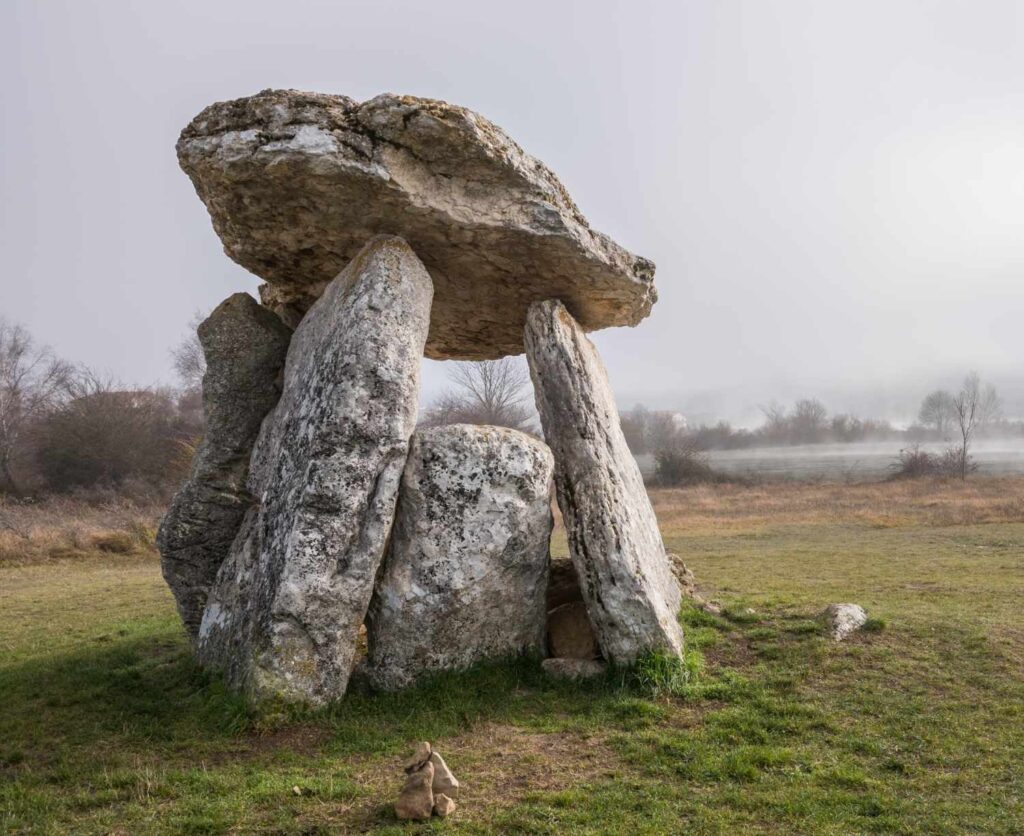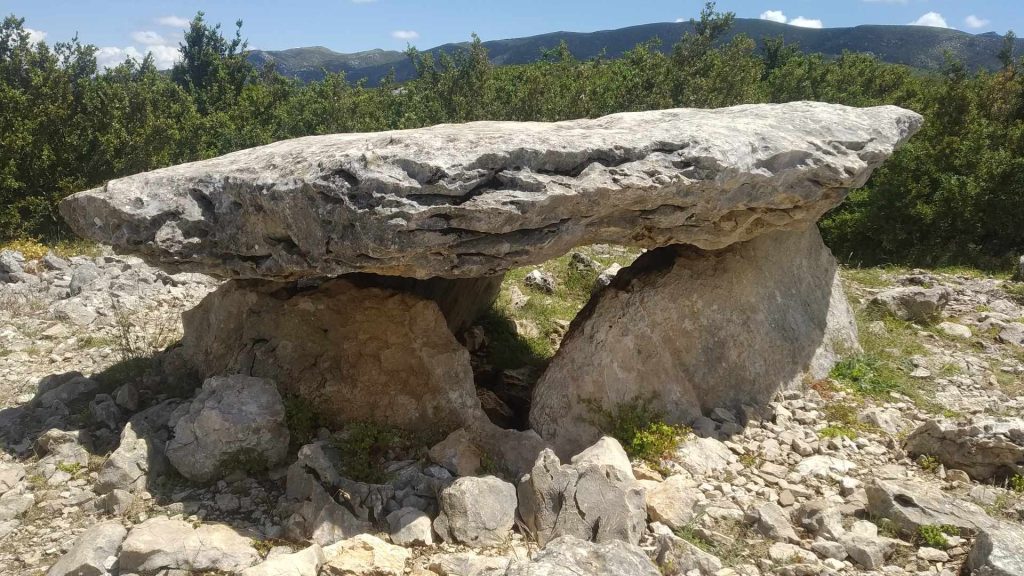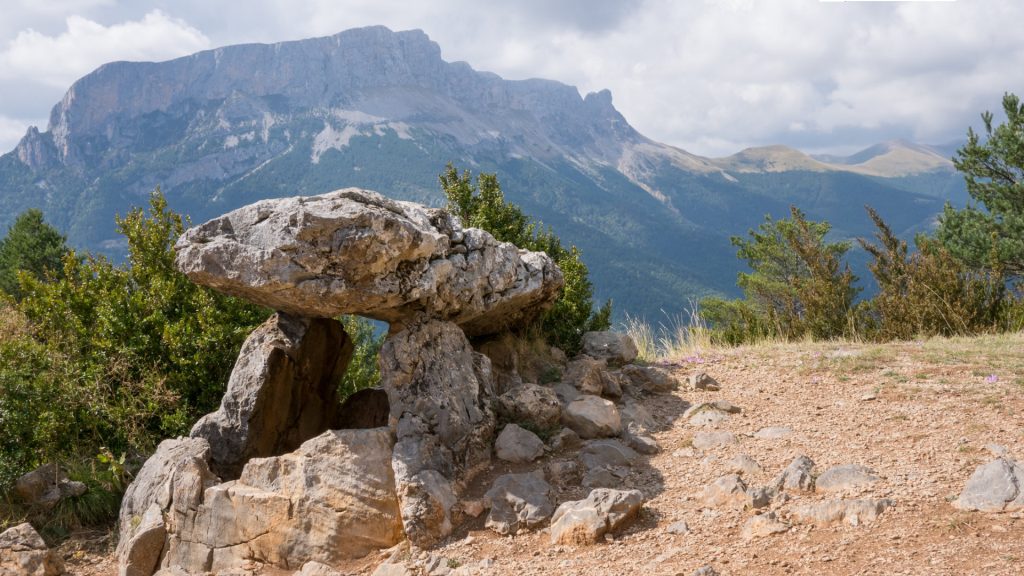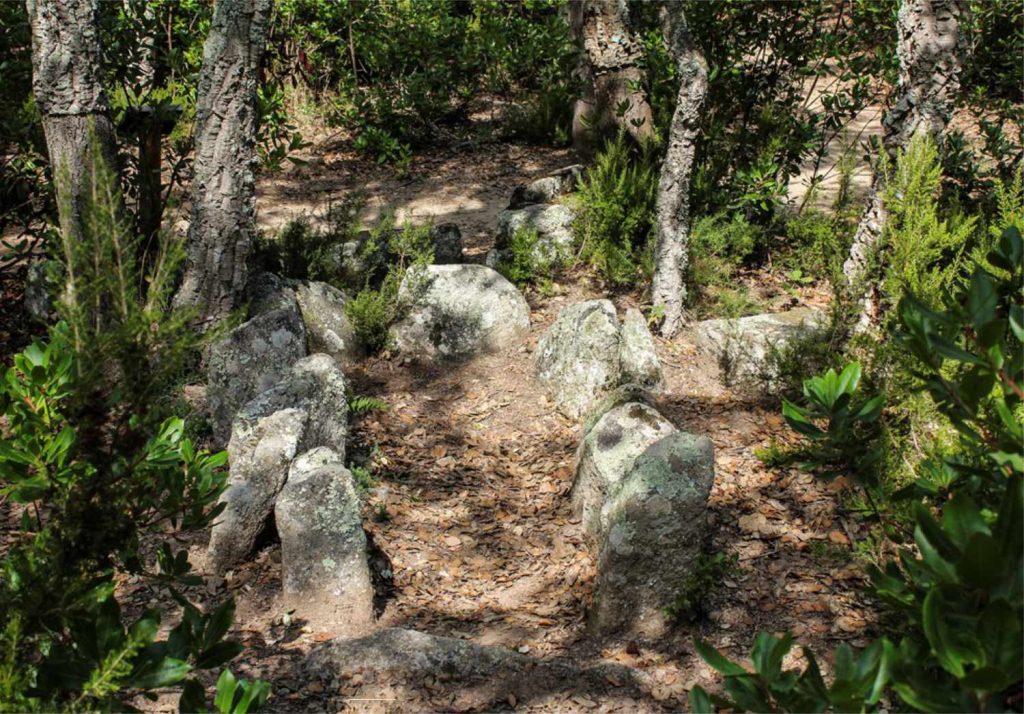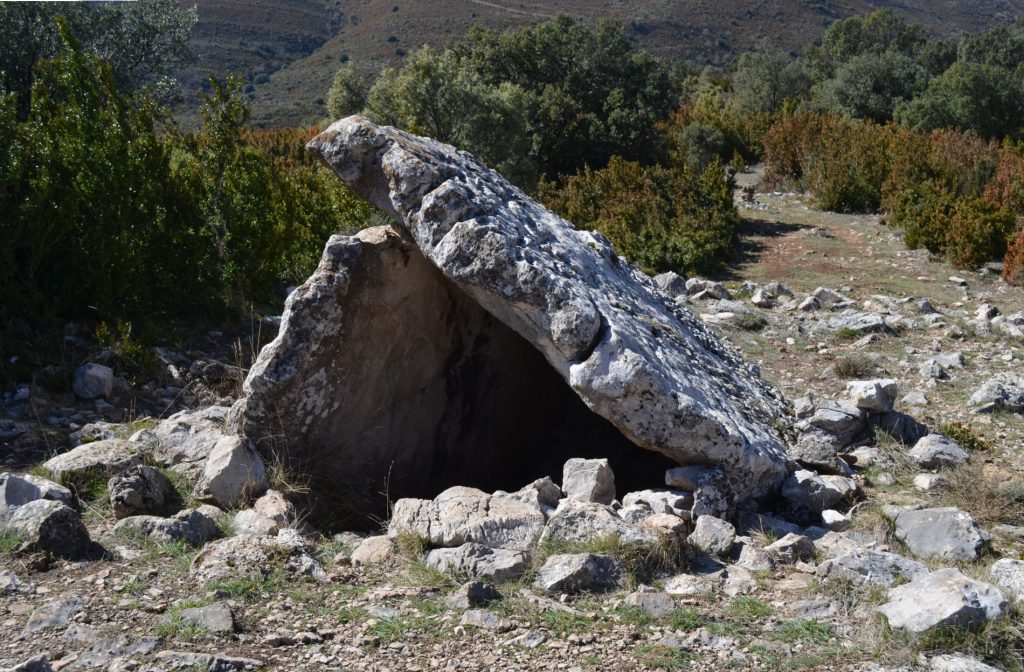
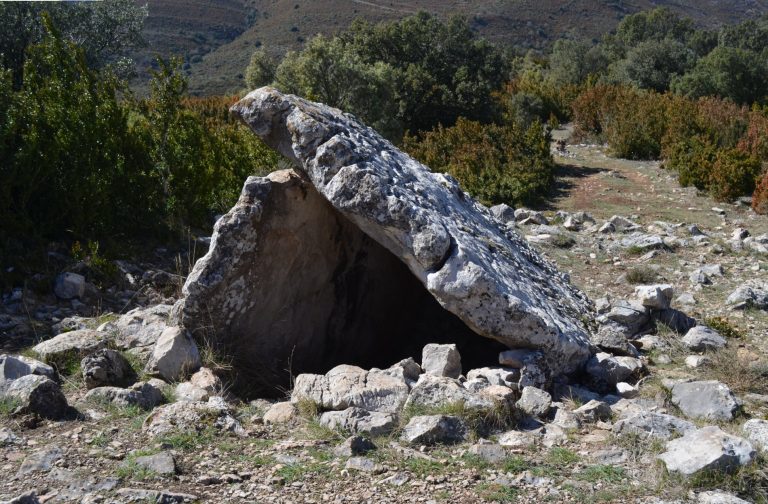
Hidden among the rugged landscapes of northern Spain lies the Dolmen de la Piatra, a prehistoric stone monument that continues to fascinate archaeologists, spiritual seekers, and curious travelers alike. Like other dolmens scattered across Europe, this megalithic structure is more than just a collection of stones, it’s a portal to a past where ritual, community, and nature were deeply intertwined.
The Dolmen de la Piatra is one of the most impressive examples of these structures in Spain. Located in a remote, natural setting, it offers visitors a glimpse into the spiritual practices of early agricultural societies. Its massive stones, some weighing several tons, were transported and erected without the aid of metal tools or modern machinery—a feat that highlights the ingenuity and determination of its builders.
Archaeological studies suggest that the Dolmen de la Piatra was used not only as a burial chamber but also as a ritual site aligned with celestial events. Many dolmens are carefully oriented toward the rising or setting sun at solstices and equinoxes, suggesting that Neolithic communities observed seasonal cycles and incorporated them into their ceremonies. Standing before the monument today, it’s easy to imagine ancient rituals taking place under the open sky, with fire, chanting, and offerings to the earth and heavens.
For modern travelers, the Dolmen de la Piatra offers more than historical interest—it’s a place where myth and nature meet. Many visitors report a powerful sense of stillness and connection while standing inside the chamber or walking among the stones. Whether one comes for archaeological curiosity, spiritual reflection, or simply to enjoy the surrounding natural beauty, the dolmen continues to serve as a site of contemplation and reverence.
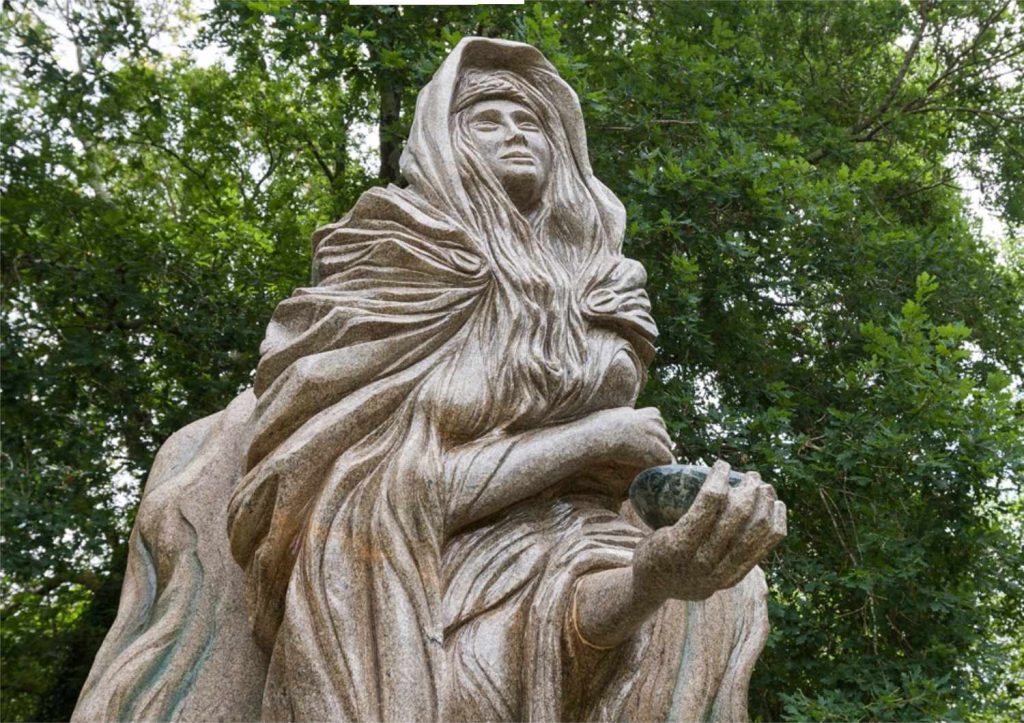
Some neo-pagan groups in Spain and beyond even visit such sites for modern rituals, seeing them as living sacred spaces that bridge the gap between ancient traditions and contemporary earth-based spirituality.
If you plan to explore the Dolmen de la Piatra, be prepared for a journey off the beaten path. These monuments are often located in rural, less-traveled areas, which only adds to their mystery and allure. As with any ancient site, respect is crucial—avoid climbing on the stones, leave no trace, and allow yourself a quiet moment to absorb the atmosphere.